Loyalty & memberships: segments, service bundles, upsell
Loyalty programs fail when they’re just points and discounts. People don’t change their behavior for coupons. They collect them. Or ignore them.
Real loyalty doesn’t come from rewards. It comes from relevance.
The programs that actually work are built differently. They pay attention to how customers behave, not just what they buy. They turn services into memberships and bundles that feel useful, even essential. And they introduce upgrades at moments that feel like progress, not pressure.
That’s the system this article breaks down.
You’ll see how segmentation turns generic offers into personal ones. How memberships and bundles increase lifetime value without constant promotions. And how automation keeps the whole engine running, even when you’re not watching.
If you want retention that compounds instead of discounts that disappear, here’s how to build it.
Why most loyalty programs fail (and what to do instead)
Most loyalty programs don't fail because of bad intentions. They fail because they're built backward.
Businesses start with rewards or discounts, then try to figure out who wants them. But customers don't engage with generic offers. They engage when programs feel designed around how they actually buy.
The problems compound quickly:
-
Generic rewards that don't reflect individual behavior or value
-
Unclear benefits that require customers to decode what they're getting
-
Inconsistent follow-up that makes programs feel abandoned
-
No path forward for customers who want to deepen the relationship
When these issues stack up, even well-funded programs see poor adoption and weak retention.
The solution isn't more rewards. It's a system built on three foundations: segmentation that enables personalization, structured offerings that create clear value, and automation that keeps the experience consistent.
When these work together, loyalty becomes a growth engine instead of a cost center.
The three-part loyalty system that drives revenue
Effective loyalty programs operate as a system, not a series of disconnected tactics. Here's how the three parts work together:
Segmentation: The targeting layer
You can't personalize at scale without segments. Group customers by purchase behavior, lifetime value, and engagement patterns. This allows you to deliver the right offer to the right customer at the right time, automatically.
Memberships & Bundles: The value layer
Recurring memberships create predictable revenue. Service bundles increase average transaction value. Together, they give customers a clear reason to commit long-term while making buying decisions simpler.
Smart Upsells: The growth layer
When customers are already engaged, well-timed upgrades feel natural. Trigger upsells at key moments (after purchases, before renewals, during onboarding) and tie them to membership tiers or usage milestones.
How Bitrix24 ties it all together
When these three parts operate in isolation, loyalty programs stall. Segments live in one tool. Offers are built in another. Upsells rely on manual timing and guesswork. The result is friction — for your team and for your customers.
The system only works when the parts connect.
This is where execution matters. In Bitrix24, segmentation, memberships, bundles, campaigns, and upsell automation live in one workspace. Customer segments update automatically as behavior changes. Memberships and bundles are managed directly in your product catalog. Campaigns and auto-funnels deploy offers at the right moment — without manual coordination.
Instead of managing loyalty across disconnected tools, you run a single, adaptive engine. One that responds to customer behavior in real time and scales without adding operational overhead.
That’s what turns a loyalty strategy into a revenue system.
Let's break down each part.
Transform Your Loyalty System
Drive more revenue with Bitrix24's unified CRM. Segment, bundle, automate - all in one platform!
Start NowSegmentation: The engine behind personalized loyalty
If you want your loyalty or membership program to feel genuinely personal, segmentation is where it starts. Segmentation allows you to group customers based on who they are, how they behave, and the value they bring.
Once those patterns are clear, you can design offers, bundles, and upsells that fit naturally into each customer’s experience.
Why segmentation matters
Segmentation strengthens loyalty in three ways: offers become more relevant, conversion rates increase, and retention improves because customers feel understood. It turns loyalty from a static program into a responsive system.
Effective segments to consider
-
Behavioral segments track how customers interact: purchase frequency, products used, and engagement with previous offers. These insights help you tailor bundles around real usage patterns.
-
Value-based segments identify high-value customers for premium perks, mid-tier customers ready for upgrades, and inactive customers needing re-engagement. This ensures your loyalty investment matches customer impact.
-
Status-based segments show where customers sit in your loyalty journey: non-members, new members, active members, expired members, or tier-based members. These drive renewal campaigns and upgrade offers.
How Bitrix24 supports smarter segmentation
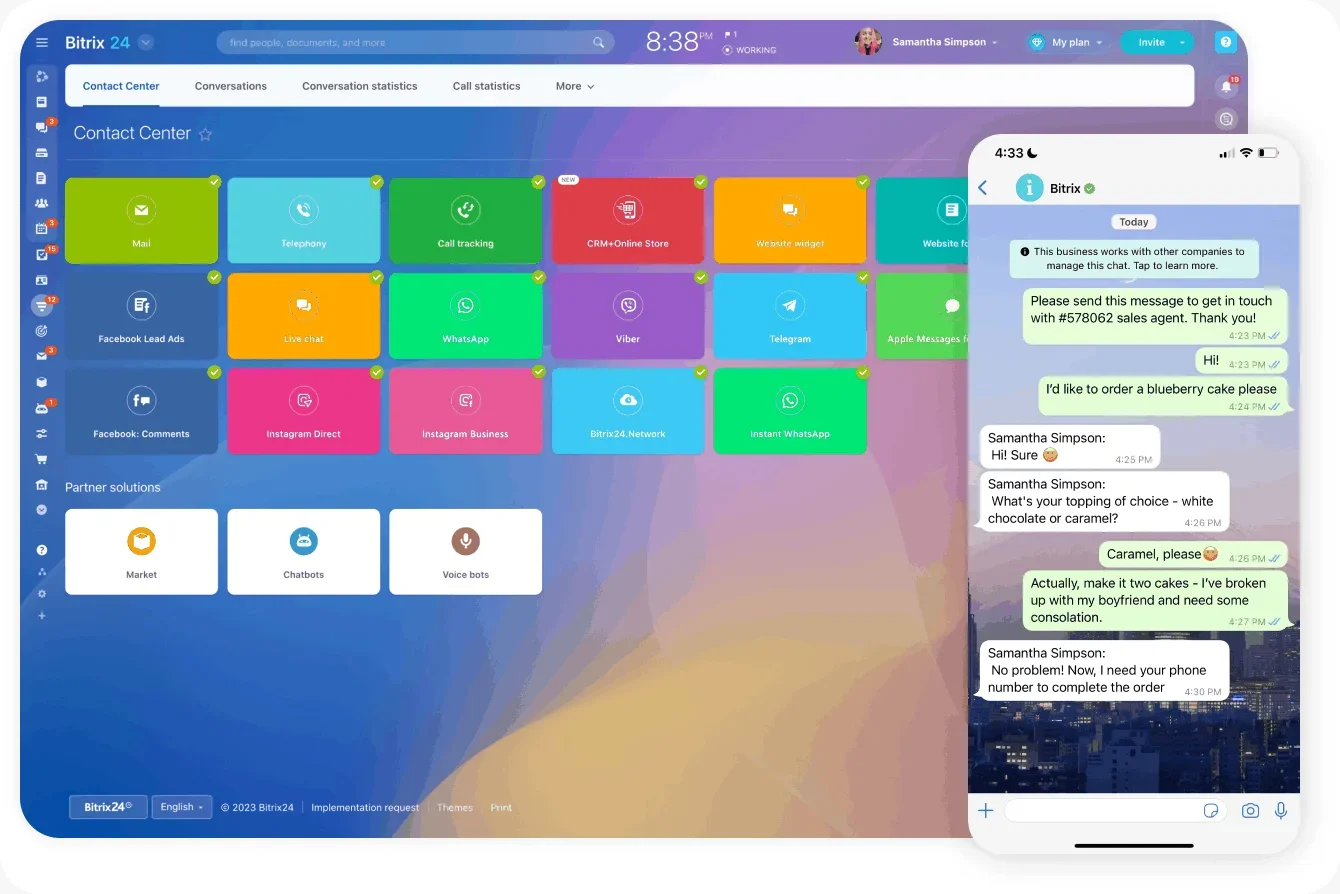
In Bitrix24, segments update automatically as customer behavior changes. You can pull data from deals, purchases, and communication history, then trigger campaigns when customers enter or leave a segment. This keeps your loyalty system accurate without manual maintenance.
Designing membership models that customers actually want
A successful membership program delivers value on both sides. Customers receive clear, ongoing benefits, and you gain more predictable revenue and stronger retention. For this to work, the model has to reflect how customers actually use your services, not just what’s easiest to sell.
The strongest membership programs are built around usefulness first. When customers immediately understand the value, memberships become easier to adopt and easier to renew.
Start by choosing the right membership type
Different industries and business models lend themselves to different structures. These three formats cover most real-world use cases.
-
Recurring subscriptions charge monthly or annually for ongoing access, member-only pricing, or priority support. Best for businesses where customers need regular access.
-
Tiered programs offer multiple levels with increasing benefits. They serve different budgets and encourage gradual upgrades as customers grow.
-
VIP access focuses on exclusivity: premium support, early access, or invite-only experiences. Effective for high-value customer segments.
Choose the structure that matches how your customers naturally use your services.
What makes a membership attractive
Bundles combine related products or services into single offers. They increase perceived value, simplify decisions, and improve average order value. When tied to membership tiers, they become rewards, upgrade paths, or exclusive perks.
Effective bundles include:
-
Starter bundles for new customers
-
Tier-based bundles aligned with loyalty levels
-
Member-only bundles that signal exclusivity
-
Seasonal bundles for time-limited value
Customers want clear explanations, transparent pricing, immediate value, and obvious savings. Deliver these consistently, and both memberships and bundles perform.
Managing it in Bitrix24
Create membership and bundle products directly in your Catalog. Apply tiered pricing for specific segments. Automate renewals and reminders through campaigns. Track performance with built-in analytics. Promote bundles through targeted auto-funnels.
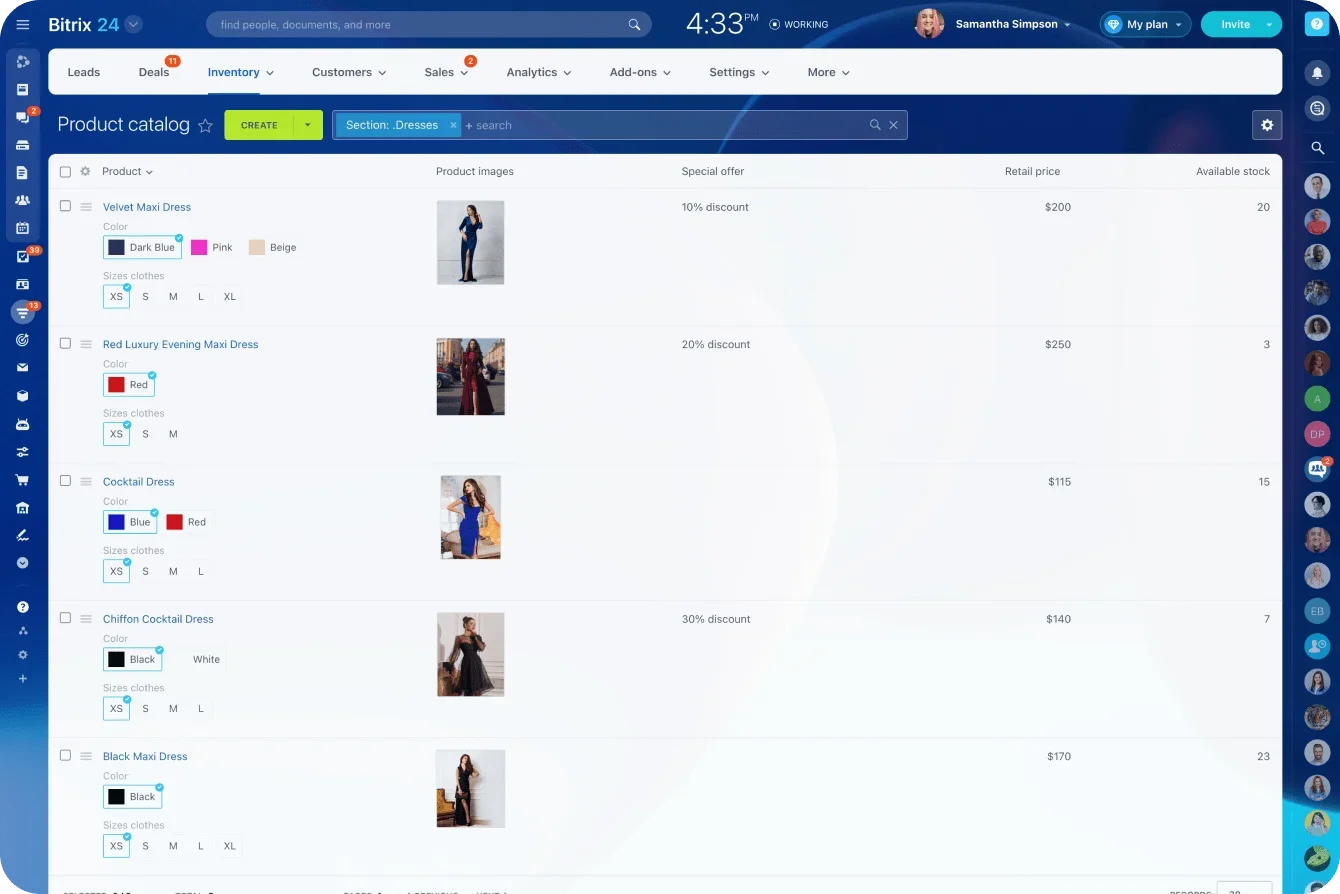
Because customer data and catalog data live in the same system, personalized offers deploy automatically to the right segments without manual work.
Smart upsell strategies that feel personal, not pushy
Upselling is most effective when it improves the customer experience instead of interrupting it. Generic upgrade prompts or poorly timed recommendations tend to create friction. Relevant, well-timed offers do the opposite. They help customers get more value from what they already use.
It’s the difference between a pop-up that says “Upgrade now” before you’ve even logged in, and a message that says, “You’re using this every week — here’s how to get more out of it.”
Both communicate the same idea. Only one respects the customer’s context.
When to upsell
-
After a purchase: Customers are engaged and confident. Introduce add-ons, premium versions, or complementary bundles.
-
Before a renewal: Offer incentives for early renewal, tier upgrades, or expanded bundles with additional benefits.
-
During onboarding: Present upgrades that remove friction, save time, or unlock features that accelerate success.
-
After a milestone: Usage thresholds, spending levels, or engagement goals create natural moments for upgrades that feel like recognition.
Automating upsells with Bitrix24
In Bitrix24, trigger upsell campaigns when customers enter specific segments, use auto-funnels to deliver offers based on behavior, and send personalized messages through email, chat, or SMS. Monitor performance with built-in analytics. Because everything is centralized, offers stay consistent and relevant.
Upsells as part of the membership experience
When upsells are tied to loyalty levels or membership tiers, they feel like progress rather than pressure. For example, you can:
-
Introduce bundle upgrades during member onboarding
-
Offer early access to premium bundles for active members
-
Use milestones to invite customers into higher tiers
Upselling becomes a way to reward engagement while increasing revenue.
When handled thoughtfully and supported by automation, upsells strengthen relationships instead of straining them.
Connecting it all: your automated loyalty engine in Bitrix24
Once segmentation, memberships, bundles, and upsells are designed, the real value comes from connecting them into a single automated system.
Here's how to build your loyalty engine in Bitrix24.
Step 1: Define your core segments
Start with the customer groups that drive your business: high-value customers, new customers, dormant customers, members versus non-members, or product-specific groups. In Bitrix24, dynamic segments update automatically based on real customer activity recorded in your CRM.
Step 2: Create membership products in your catalog
Formalize memberships as products with defined pricing, duration, and renewal logic. Attach benefits or bundled services. Track purchases through your online store. This makes memberships measurable and scalable.
Step 3: Build segment-specific bundles
Design bundles that align with real customer needs: starter bundles for new customers, VIP bundles for high-value segments and renewal bundles that reinforce value. Store them in your catalog for automatic delivery.
Step 4: Activate automated campaigns
Send targeted offers to specific segments across email, SMS, and chat. Trigger messages when customers enter a segment or complete an action. Maintain consistent follow-up without manual tracking.
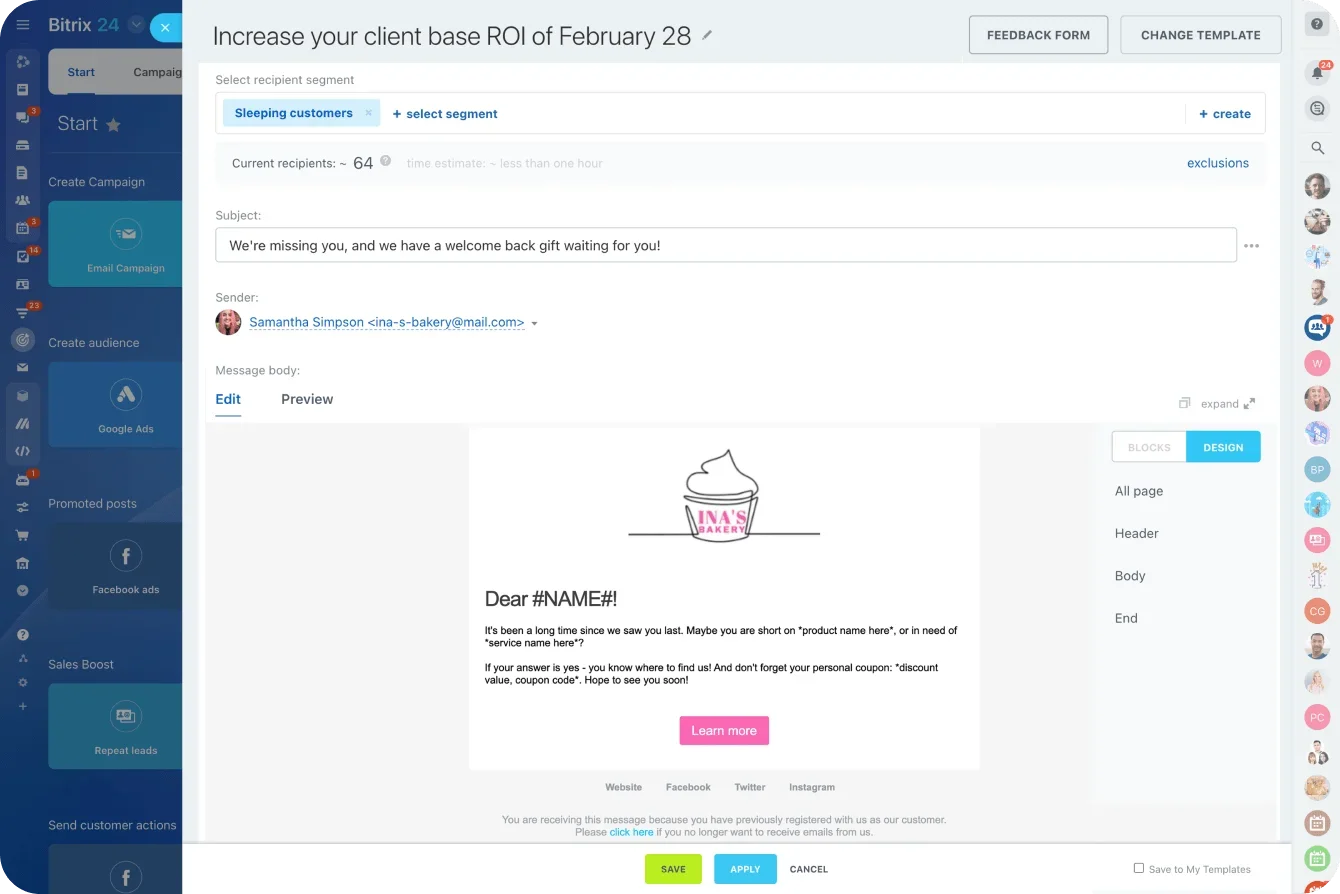
Step 5: Deploy auto-funnels for upsells and renewals
Auto-funnels onboard new members, send renewal reminders, trigger upsell offers after key actions, and encourage tier upgrades at milestones. This keeps the loyalty experience consistent while reducing manual work.
Step 6: Track and refine with CRM analytics
Monitor membership sales, bundle performance, segment growth, campaign conversions, and upsell revenue. Use these insights to refine offers, adjust timing, and improve results over time.
When these steps work together, loyalty becomes predictable and scalable. Customers receive consistent value, and your business benefits from higher retention without added complexity.
Build your loyalty system now
Most loyalty programs don’t fail loudly. They fade. Offers get ignored. Members stop noticing. The program still exists — it just stops mattering.
Real loyalty doesn’t come from more incentives. It comes from paying attention. From responding to how customers behave. From making the next step obvious and worthwhile.
That’s what this system does.
Segmentation creates relevance. Memberships and bundles turn value into commitment. Smart upsells reward momentum instead of interrupting it. And when the system runs through automation in Bitrix24, it keeps working whether you’re watching it or not.
The choice isn’t whether to run a loyalty program. You already are — intentional or not.
The question is whether yours adapts, compounds, and grows… or quietly disappears.
Your CRM, catalog, campaigns, and automation are already in place in Bitrix24. The system is ready.
What you do with it is the part that matters. Start for free today. You won’t look back.
FAQs
Do loyalty programs really drive revenue, or just discounts?
They drive revenue when they’re built around behavior, not giveaways. Programs tied to segmentation, memberships, and timely upsells increase lifetime value instead of eroding margin.
What’s the difference between a loyalty program and a membership?
A loyalty program rewards past behavior. A membership creates ongoing value and commitment. When combined, loyalty becomes predictable instead of reactive.
How do I know what to upsell without annoying customers?
Timing matters more than the offer. Upsells work when they’re triggered by real usage, milestones, or renewal moments — not arbitrary sales pushes.
Can this work for small or service-based businesses?
Yes. The system is based on customer behavior, not business size. Service businesses often see faster results because memberships and bundles map naturally to how customers buy.
Do I need separate tools to manage loyalty, campaigns, and automation?
Not if your CRM supports all three. In Bitrix24, segmentation, product catalogs, campaigns, and automation live in one system, which makes loyalty easier to manage and easier to scale.