Route replies and handoffs with automation
Outbound sales only works when your team can turn prospect lists into daily execution—and then prove what happened on every account. That means one place to build and assign lead queues, track each touch in an outreach sequence, and convert engaged replies into opportunities with clear ownership.
With Bitrix24 as your CRM for outbound sales, prospects can be captured as leads, worked through defined stages, and advanced using activities and tasks that make the next step explicit. When a lead becomes sales-ready, you can convert it into a deal and keep the full interaction history attached so the next owner can pick up the conversation without starting over.
- Build prospecting lists and distribute queues by rep or territory
- Track outreach and follow-ups as scheduled activities with owners
- Convert engaged responses into deals with consistent handoffs
Route replies and handoffs with automation
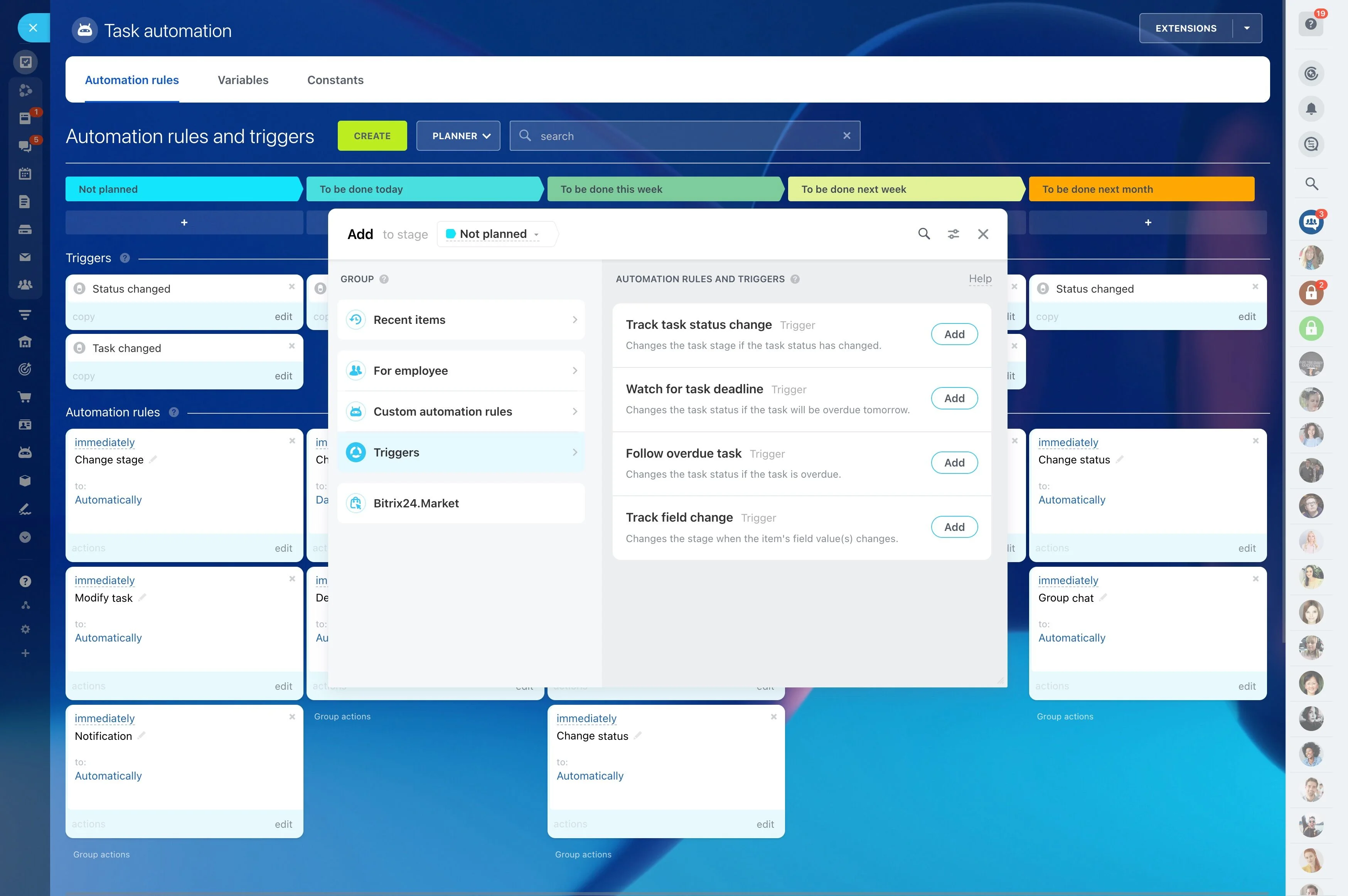
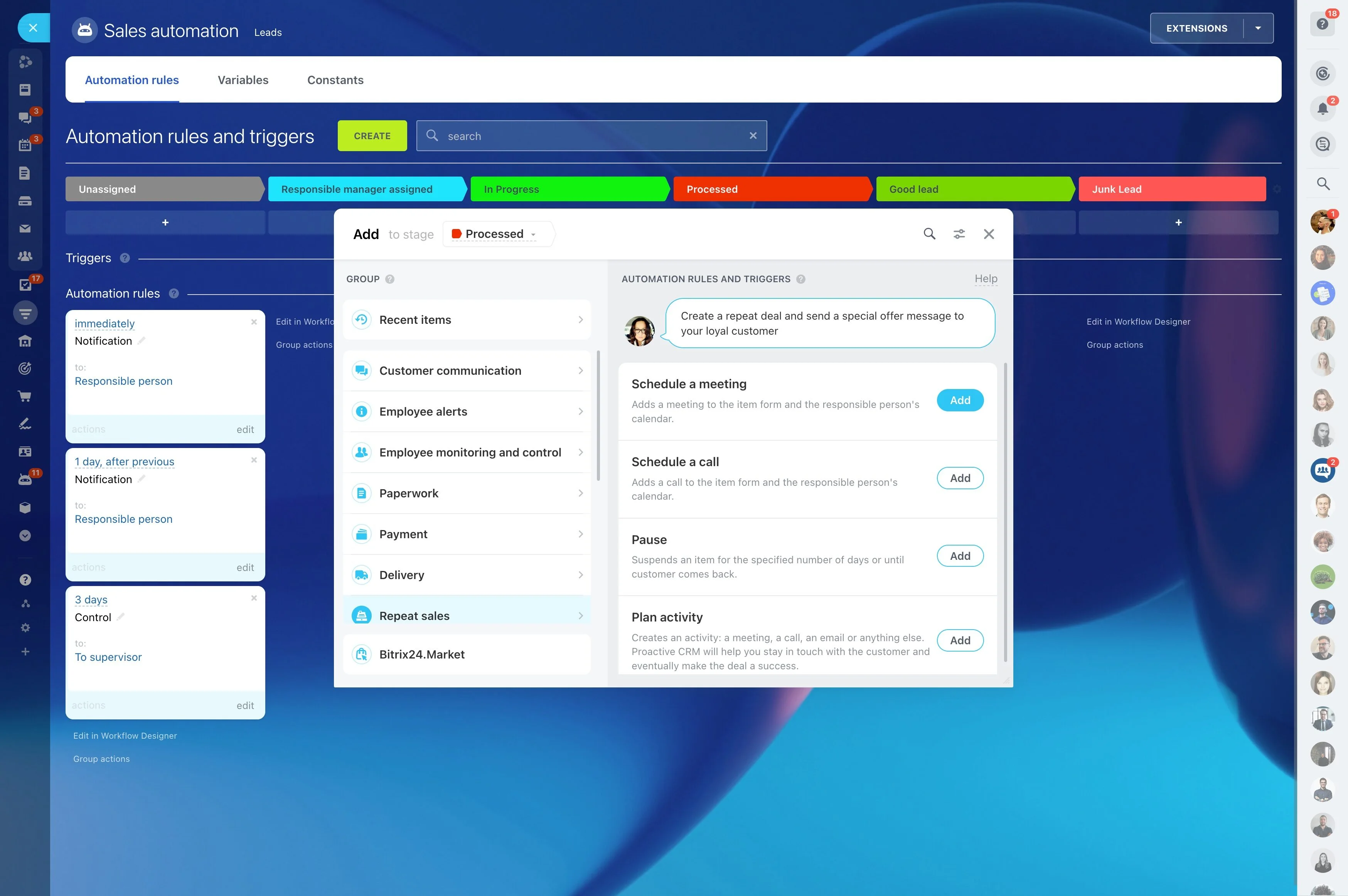
When a prospect replies, speed and clarity matter more than another “to-do list.” Use automation tied to stage changes to set the next step consistently—for example, assign or reassign an owner, create a follow-up task, or add a reminder so engaged responses don’t sit unworked.
You can also use automation to enforce process checks before a record moves forward, such as requiring key qualification fields.
Turn prospect lists into owned lead queues
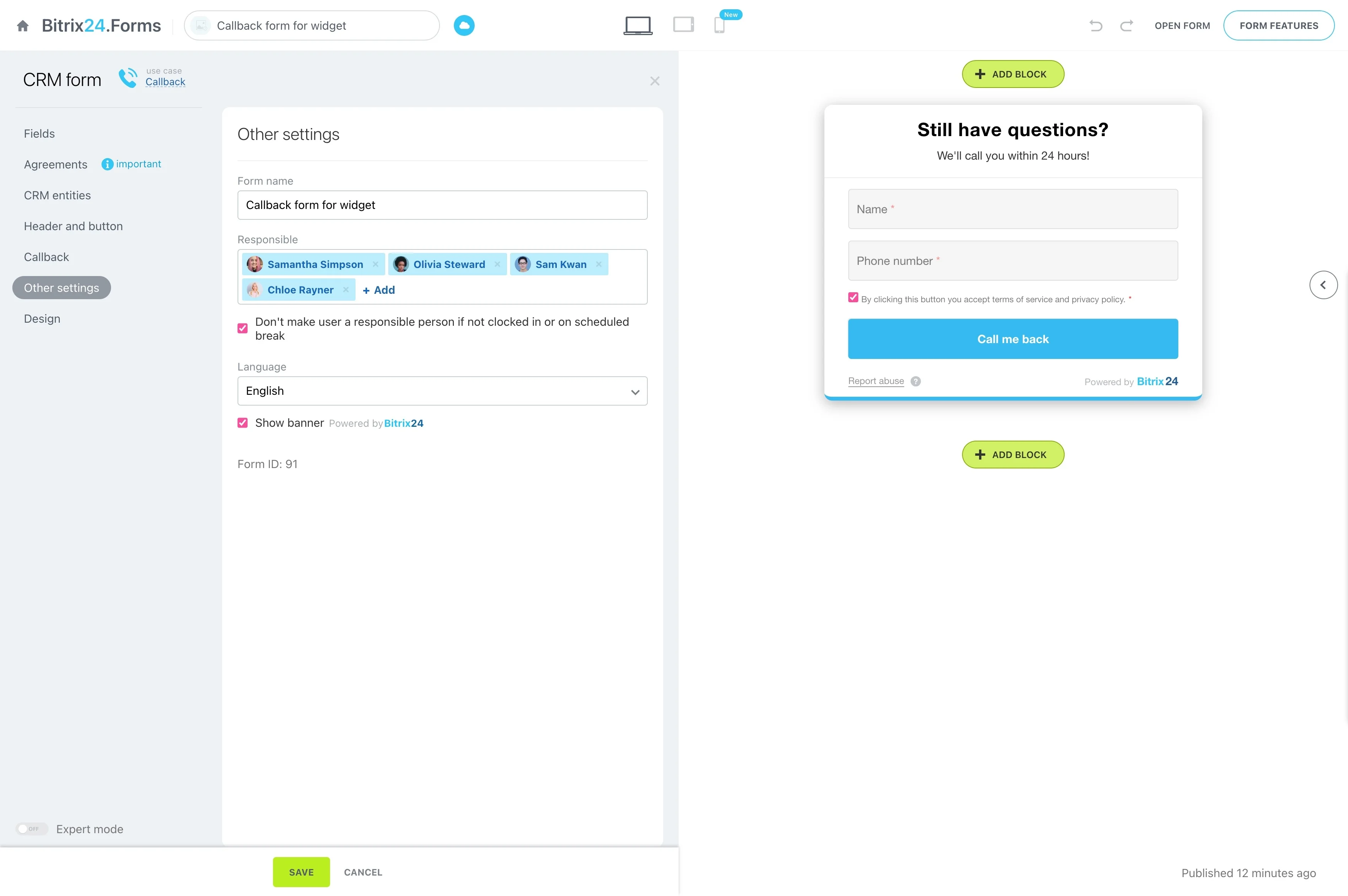
Outbound starts with a workable queue: the right prospects, assigned to the right rep, with clear rules for what happens next. In Bitrix24, capture prospects as leads and set up the fields you actually use for segmentation (territory, ICP segment, source list, priority) so lists stay actionable.
Assign leads to individual reps to create owned outreach queues, then use filtering and sorting to keep focus on the accounts that match your targeting and are due for the next touch.
Standardize outreach with activities and tasks
Reps need a consistent “next action” for every lead. Log calls, emails, and follow-ups as activities on the record, and create tasks when the step is work that must be completed (research, personalization, account mapping, or prep for a meeting).
This keeps outreach execution measurable and prevents leads from going cold because the next step was never scheduled or never clearly owned.
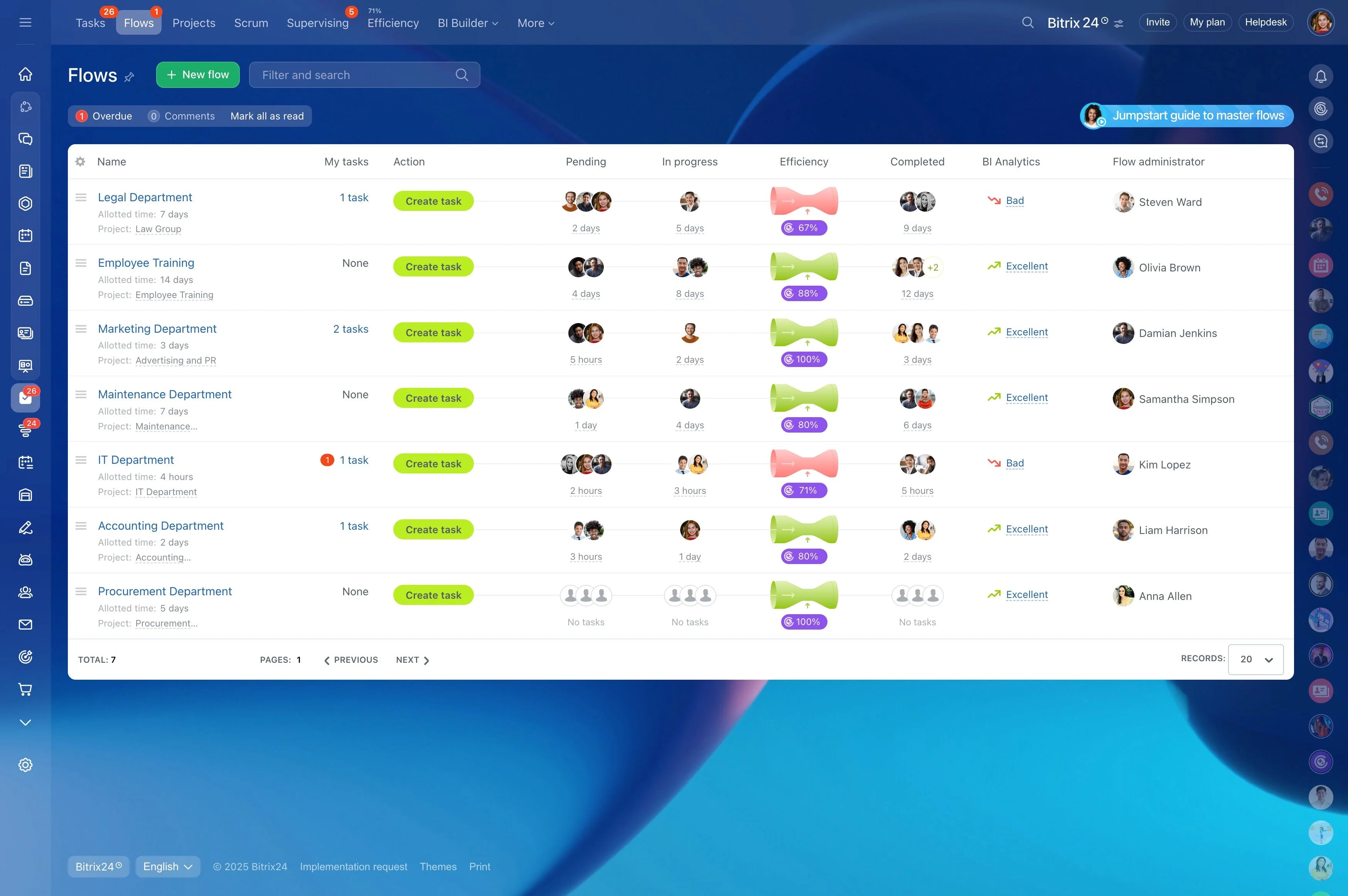
Track sequences through lead and deal stages
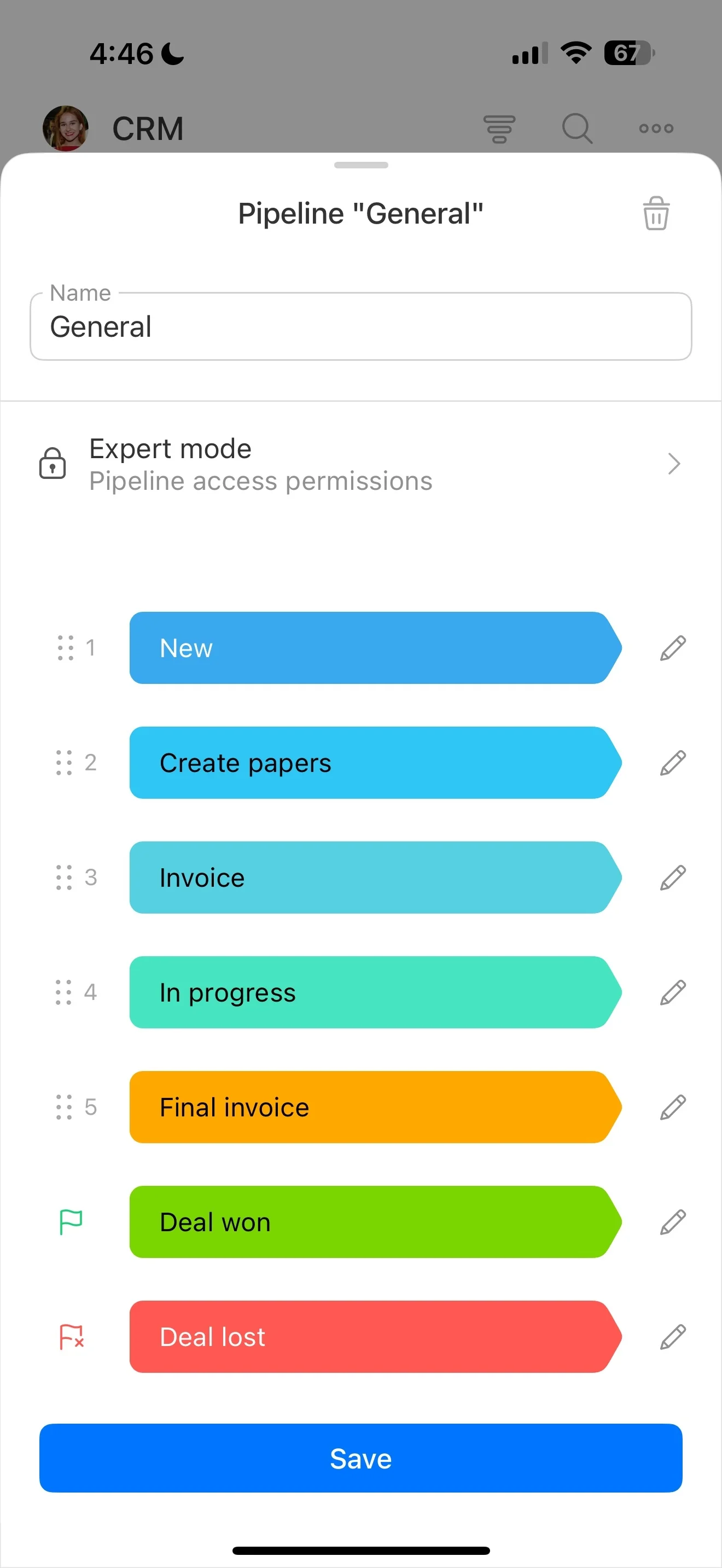
Define a stage model that matches how your team runs outbound—e.g., New → Attempting Contact → Connected → Meeting Set → Qualified/Disqualified. Stages make progress visible without relying on custom notes or ad-hoc status updates.
With consistent stage movement, managers can spot bottlenecks (where leads stall) and keep early outreach separate from active opportunities.
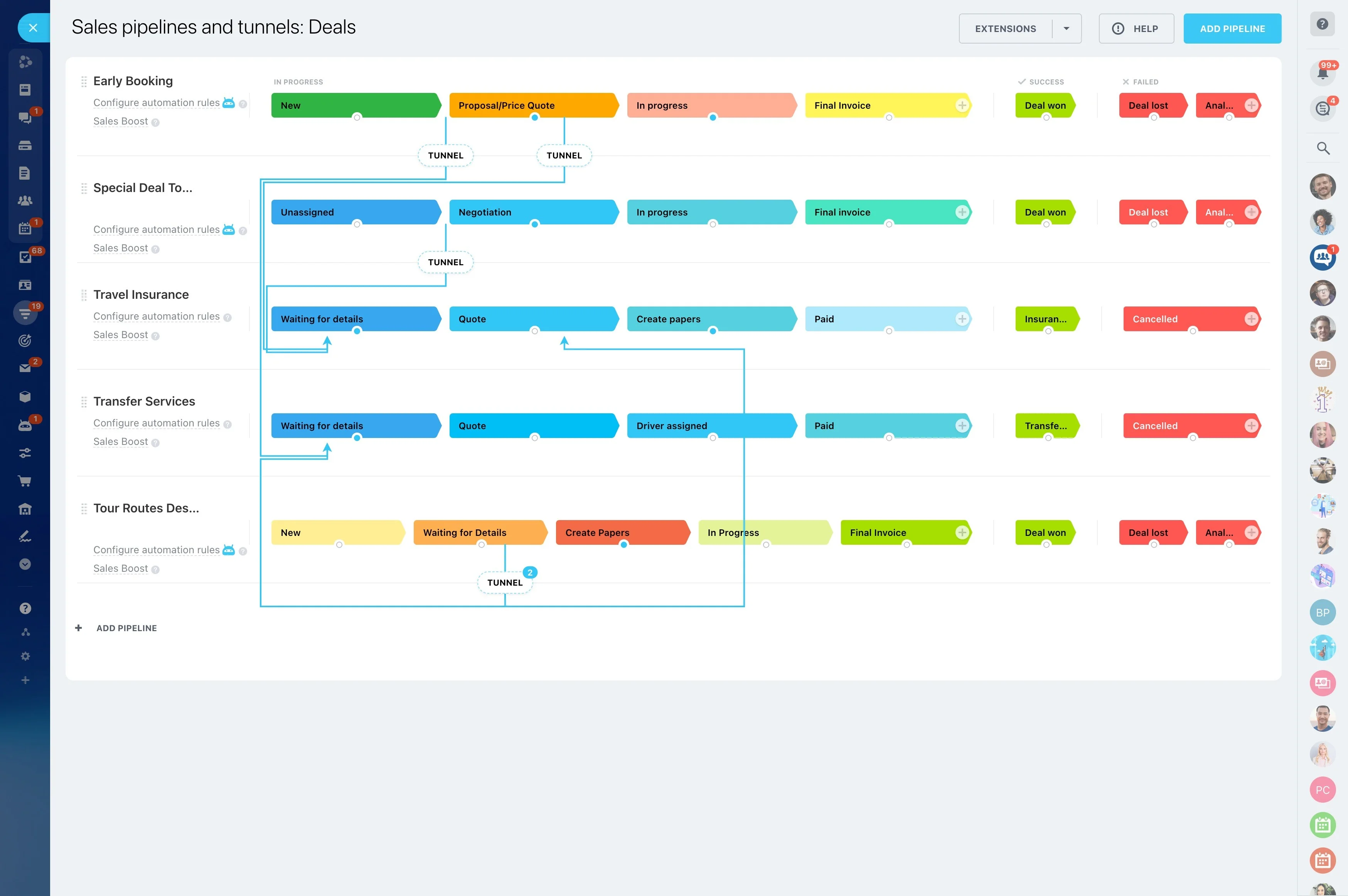
Convert engaged leads into deals without losing context
Once intent is confirmed, move from outreach to a sales opportunity without breaking the thread. Convert the lead into a deal and keep the timeline of touches and notes attached so discovery starts with context, not repetition.
From there, manage the opportunity in a defined deal pipeline with clear stages and next-step activities through close.
Run outbound reviews from real activity, not anecdotes
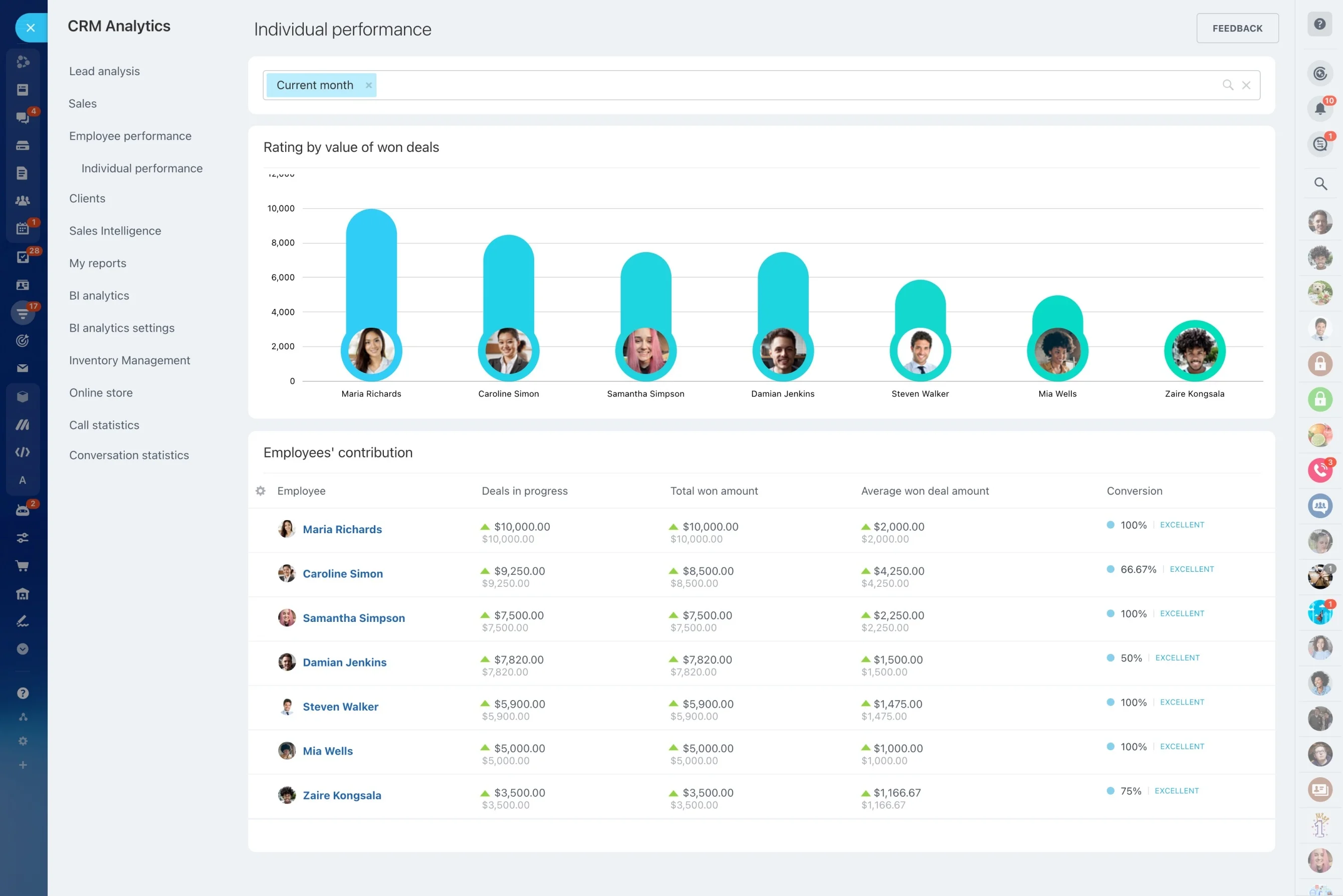
Good outbound reviews answer operational questions: who worked their queue, what got completed, and where leads are getting stuck. When activities, tasks, and stage changes are captured on each CRM record, coaching can be based on specific execution (touches, timing, next step), not memory.
That visibility makes it easier to rebalance assignments, tighten stage definitions, and improve targeting based on what actually converts to meetings.