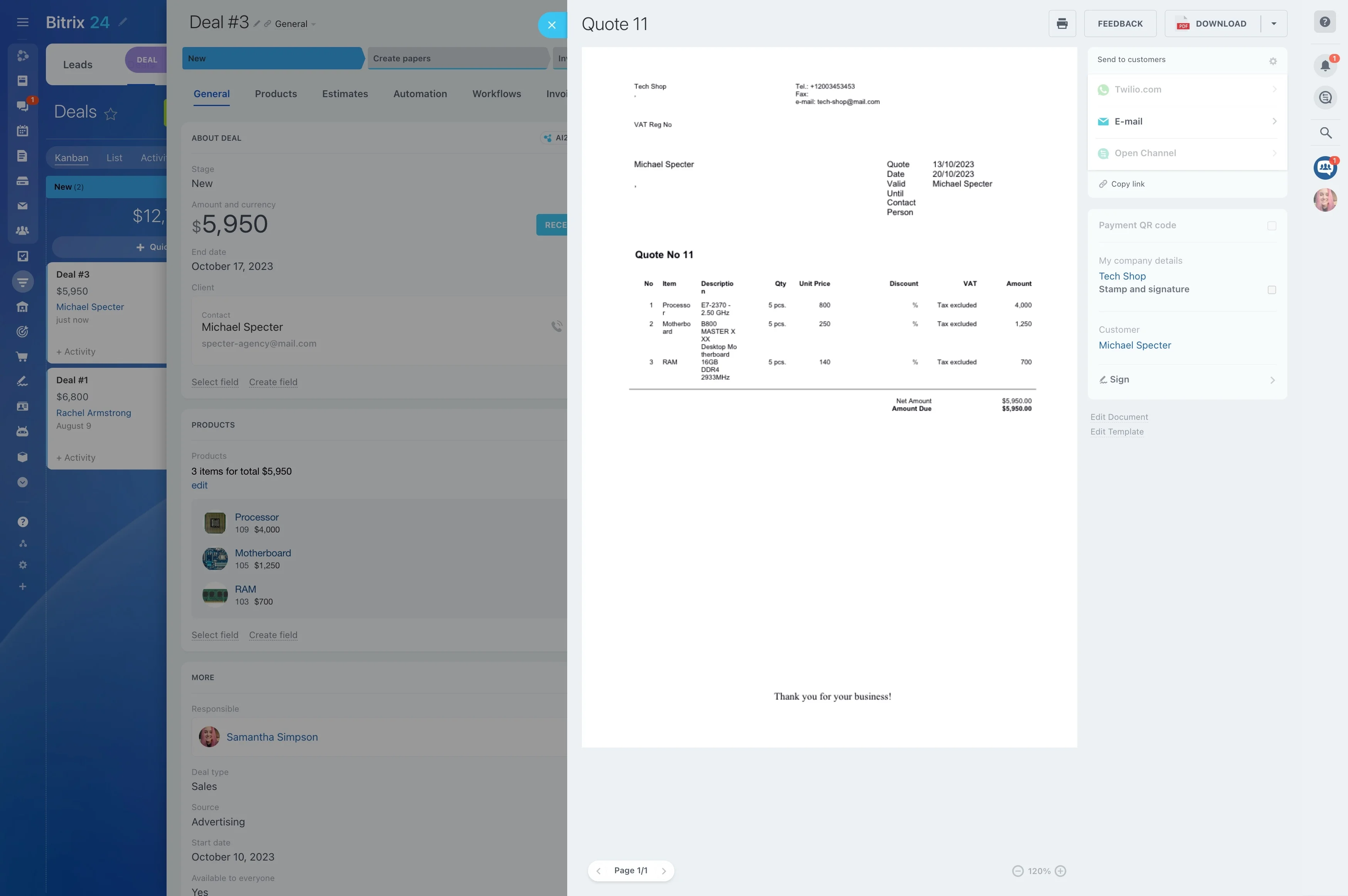
Assign ownership for accounts and order deals to specific reps
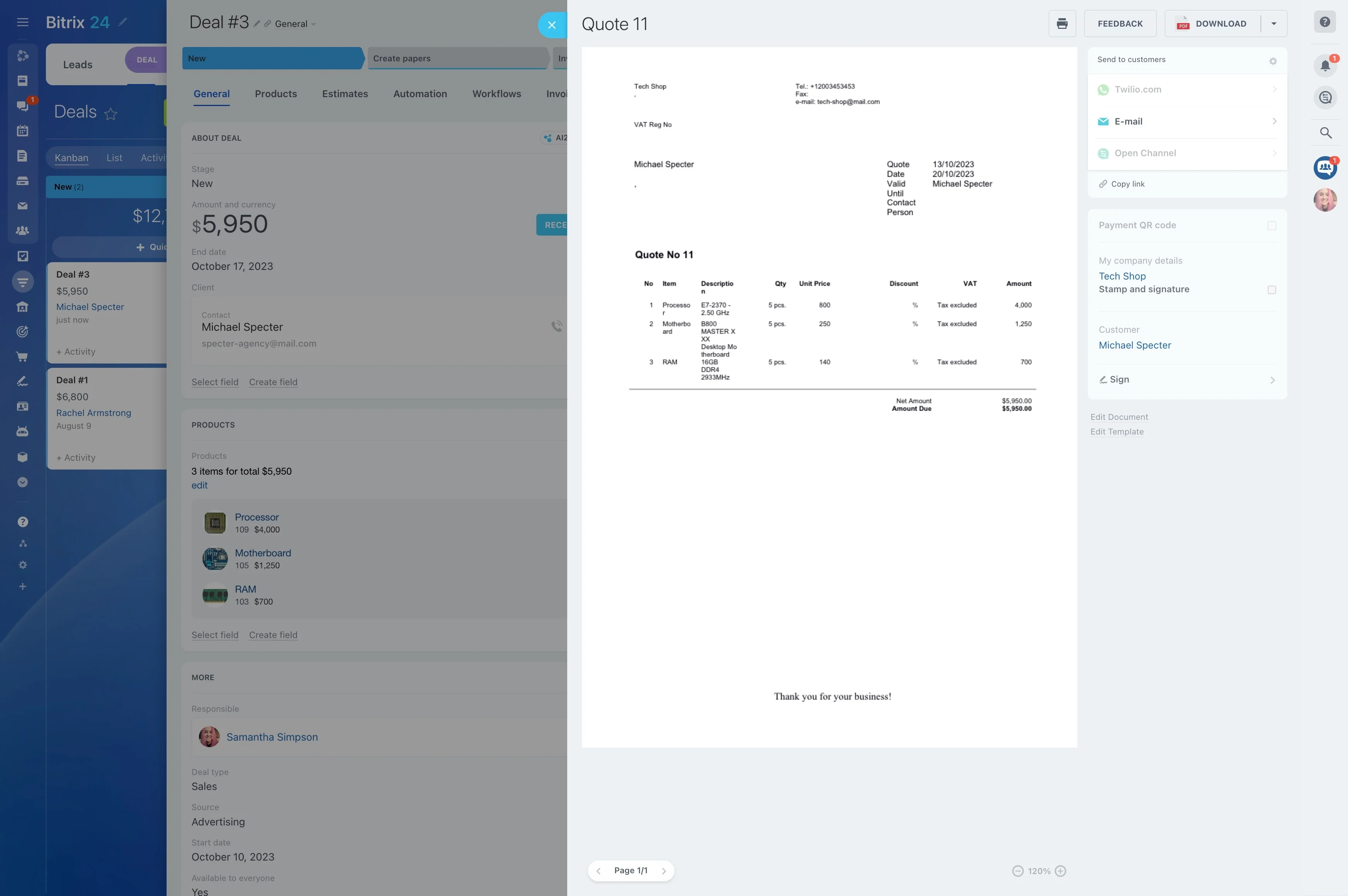
Wholesale sales runs on account relationships: negotiated terms, buyer-specific pricing, and repeat purchasing across multiple contacts (purchasing, AP, receiving, and owners). A CRM for wholesale should mirror that reality by keeping the account as the source of truth and tracking each quote-to-order cycle as its own, accountable workflow.
With Bitrix24, you can store B2B account and contact details in one place, track every order as a deal with clear stages and ownership, and keep quote revisions and key conversations attached to the right account and order. The result is faster quoting, cleaner handoffs to fulfillment, and reorders that don’t rely on someone’s memory.
- Maintain company accounts with multiple buyer contacts and roles
- Track each order cycle through defined deal stages and next steps
- Assign ownership for accounts and order deals to specific reps
- Keep a usable history of quotes, terms, and reorder context
Define account coverage and rep ownership
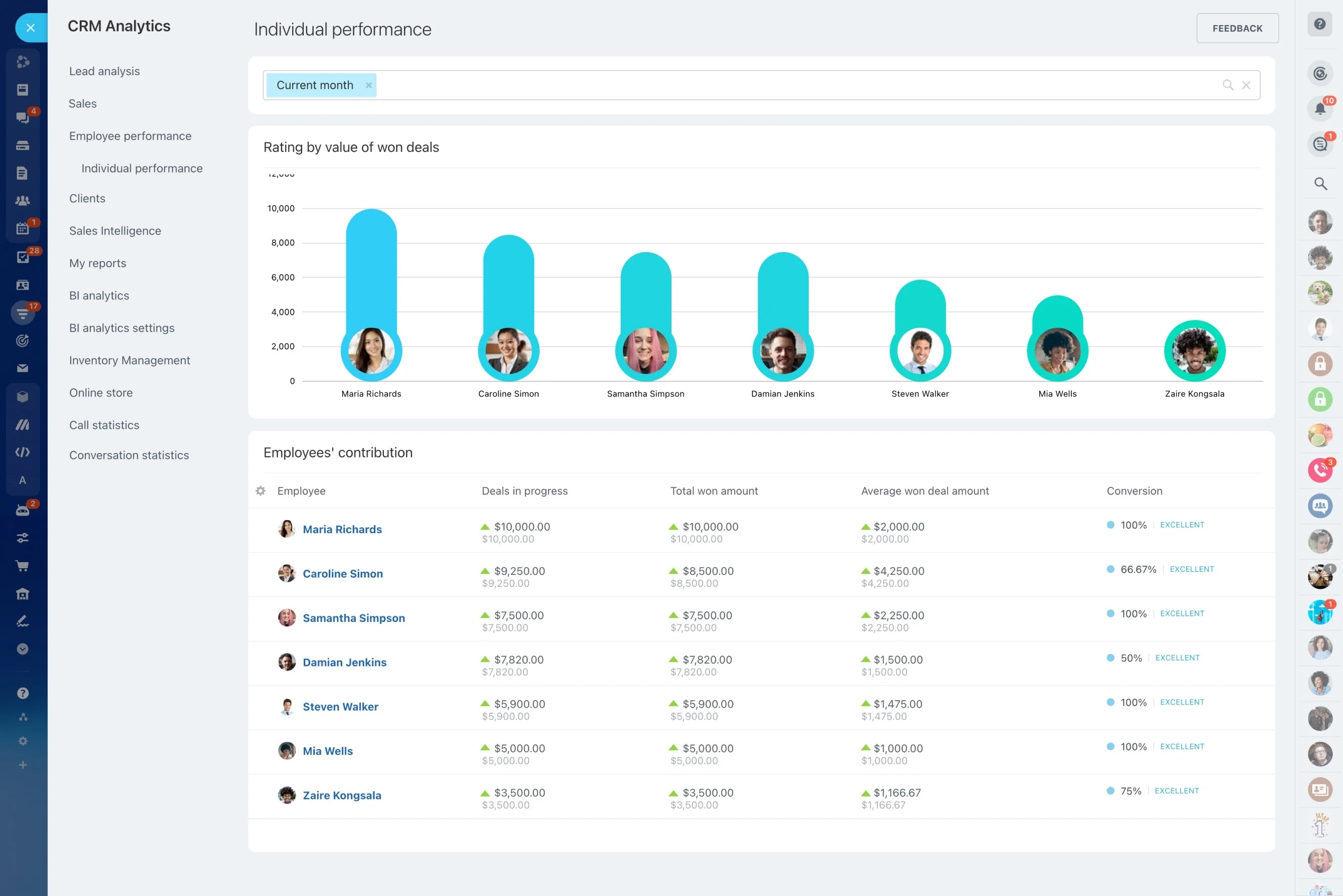
Wholesale performance depends on clear responsibility: who owns the account, who handles day-to-day requests, and who backs up during territory or staffing changes. Assign ownership at the account level, then set owners on each order deal for execution.
With a visible activity trail, managers can coach based on account coverage and stalled stages instead of chasing status updates.
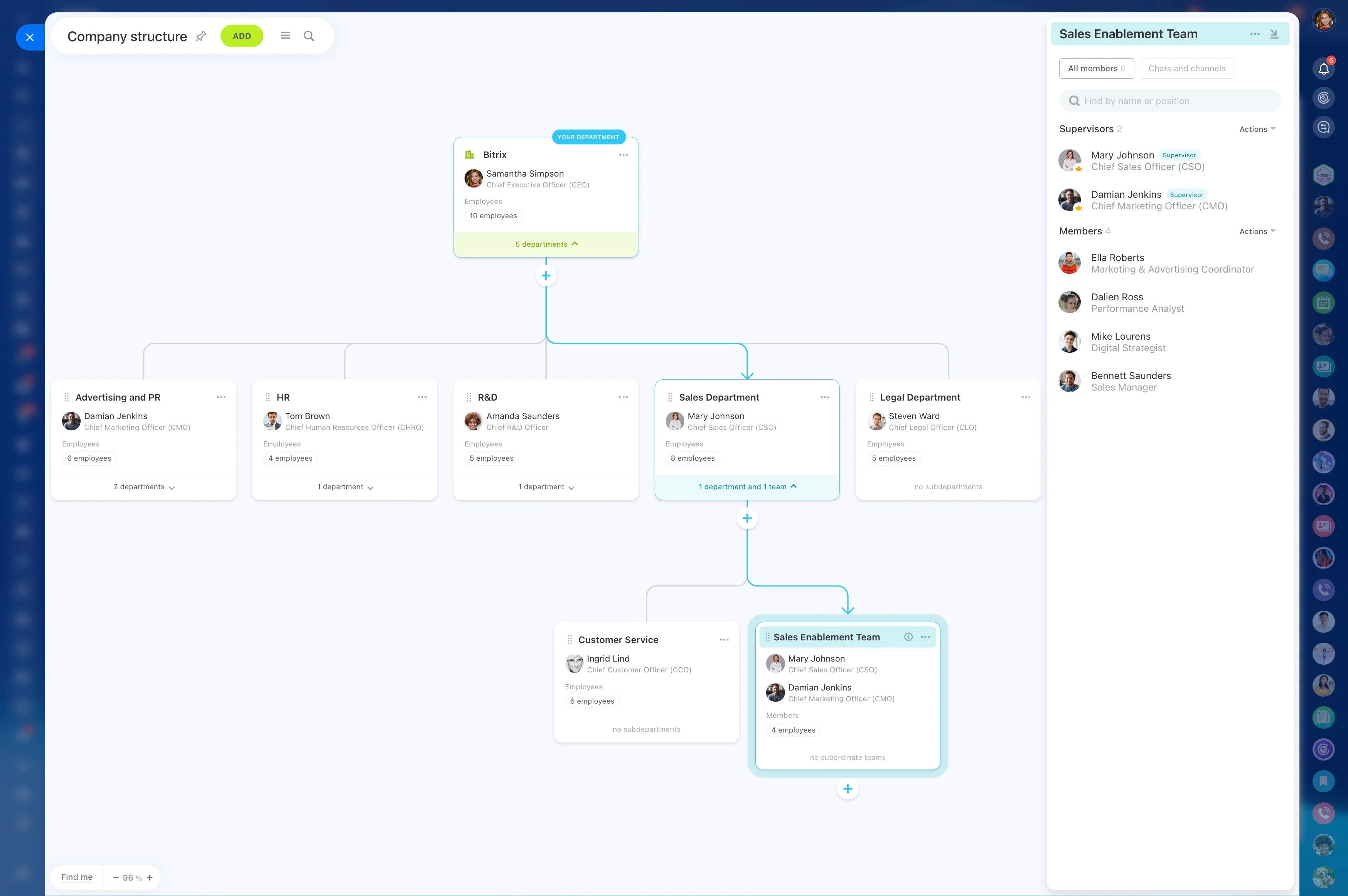
Structure accounts for multi-contact buying teams
Wholesale buyers rarely have a single decision-maker. Keep the company as the main record and link the right contacts to the relationship so reps can quickly find who handles pricing, who approves terms, and who coordinates delivery requirements.
That structure protects continuity when stakeholders change, new locations are added, or another rep needs to step in.
Track each quote-to-PO cycle as a deal
Wholesale orders repeat, but each cycle still needs visibility: inquiry, quote, revisions, PO received, and handoff. Represent each order as a deal with stages, an owner, and a clear next action so nothing gets stuck during quote changes or approval waits.
Keeping orders as deals also makes it easier to distinguish new account opportunities from routine reorders.
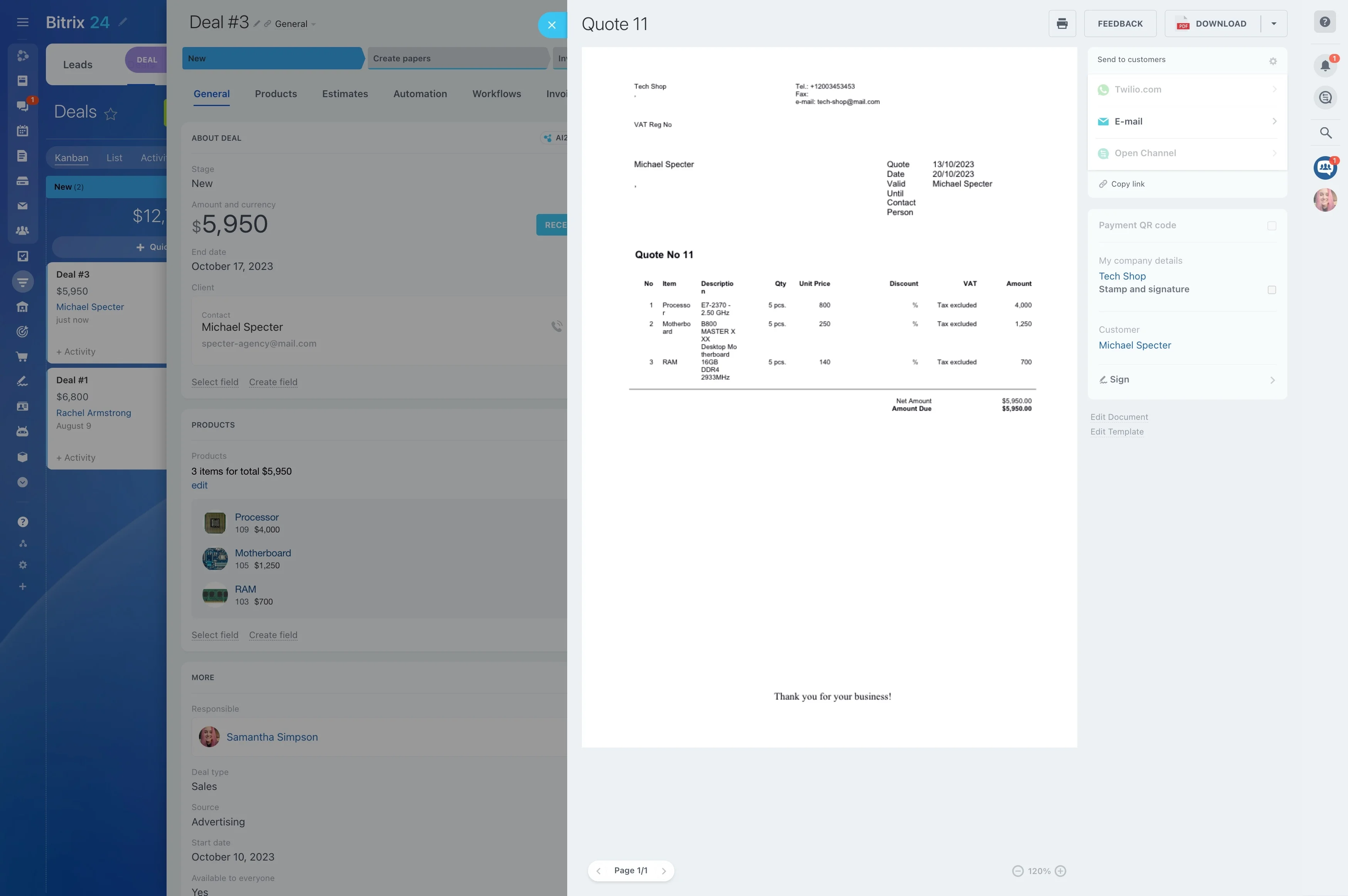
Record negotiated pricing and terms where it’s usable
Buyer-specific pricing, volume breaks, and exceptions shouldn’t live in scattered messages. Capture pricing discussions, approvals, and agreed terms on the account and the relevant order deal so the next quote starts with the right context.
This reduces rework, speeds internal reviews, and prevents “what did we agree last time?” gaps.
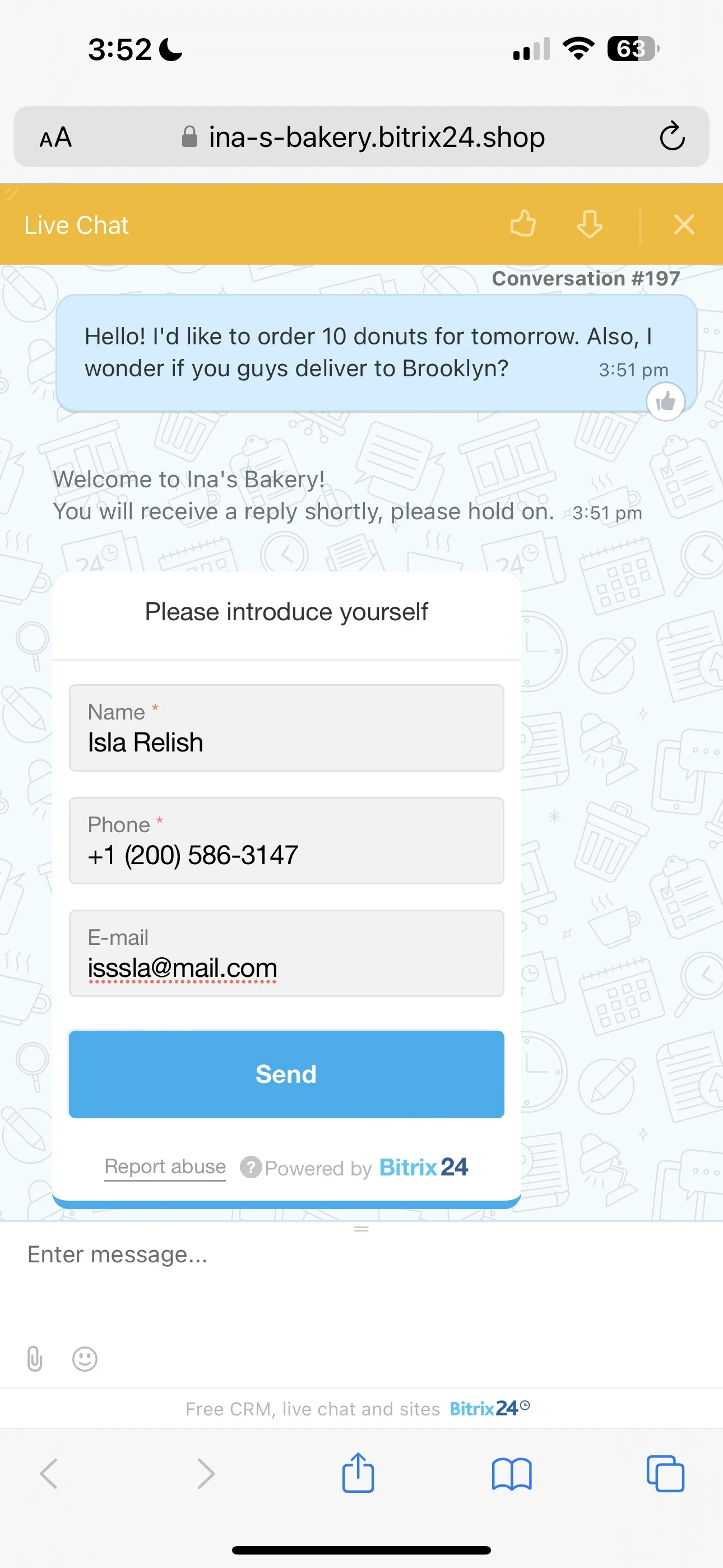
Make reorders faster with a complete order history
Reorders move quickly when the last order is easy to reference: the final quote, what changed, who approved terms, and what the buyer requested next time. Keep a chronological record tied to both the account and each order deal.
Reps can respond confidently to “same as last time” requests and avoid errors caused by outdated terms or missing context.
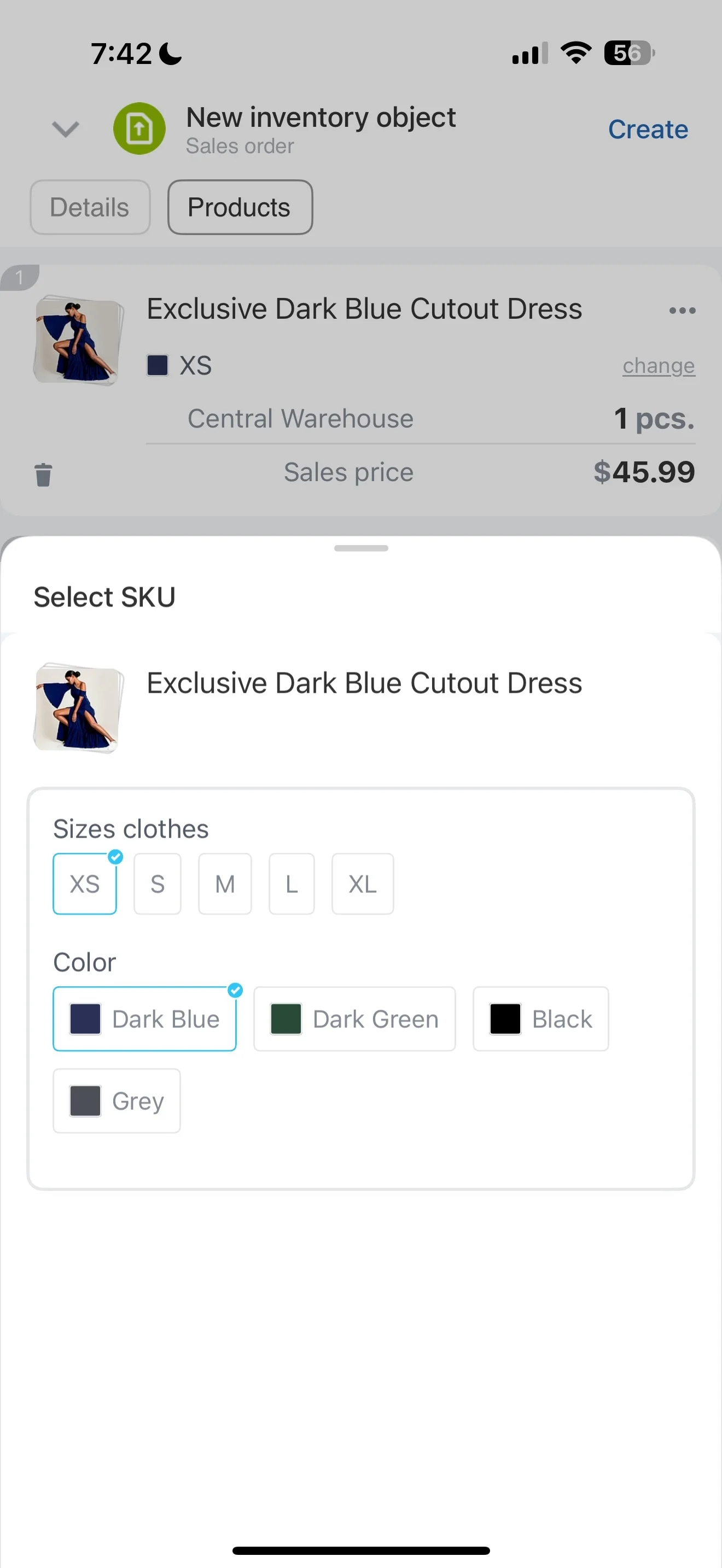
Scenario: negotiated quote, fulfillment handoff, reorder
A regional retailer requests a 90-day price for a set of fast-moving SKUs across three locations. A rep opens a new order deal under the retailer’s account, confirms the purchasing and AP contacts, and records quantities plus delivery notes by location.
After an internal review, the rep documents the agreed terms and progresses the deal when the PO arrives, then updates the stage for the handoff to fulfillment. Thirty days later, the buyer asks for a reorder with small quantity changes; the rep creates a new deal under the same account, references the prior order’s quote and terms, and confirms the update without restarting negotiations.