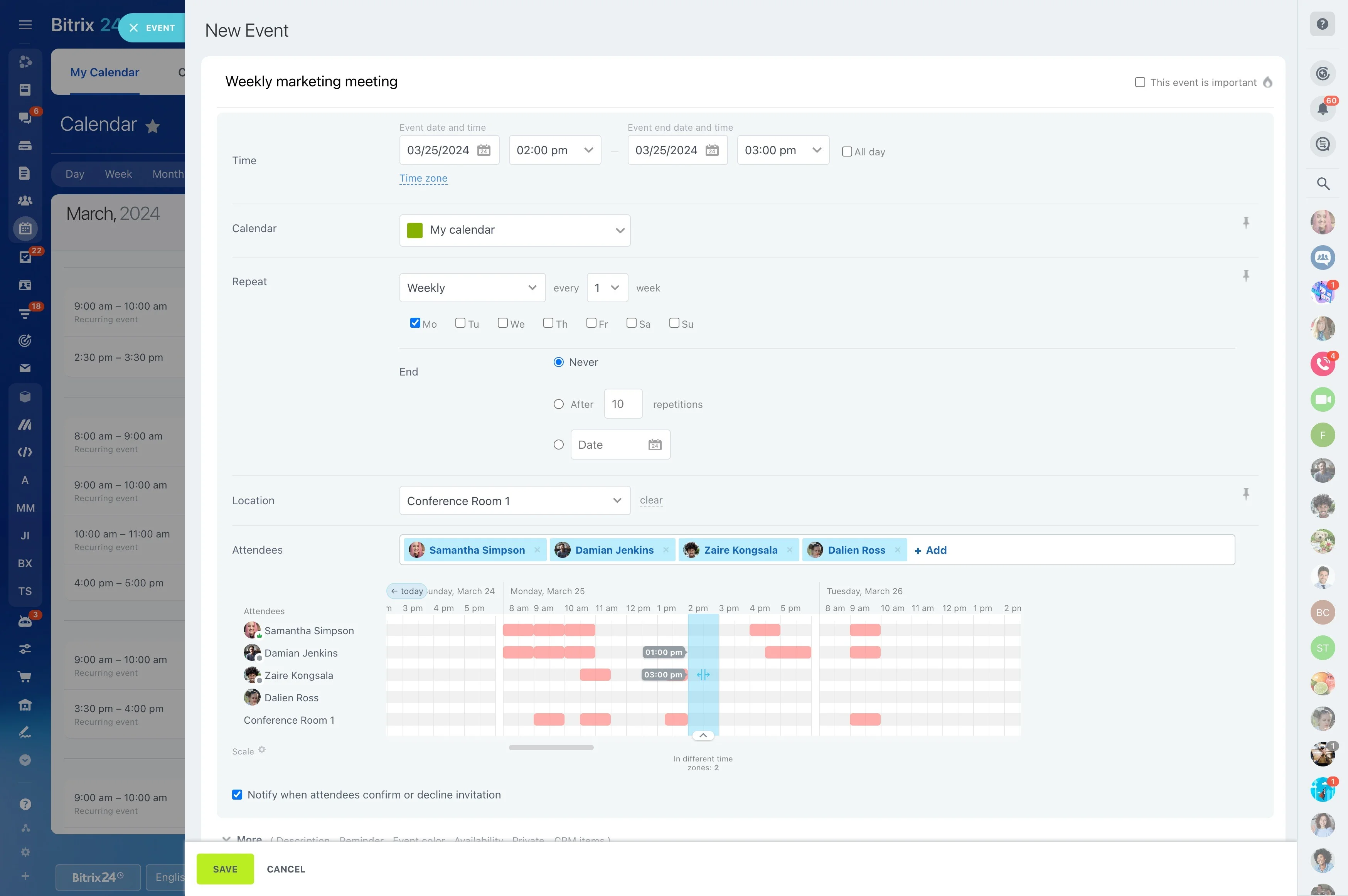
Recurring projects often follow a familiar pattern, even when the details change. A reusable template can capture the planning steps, milestones, tasks, and checks that shape the work, giving the team a useful starting point for the next project.
Bitrix24 lets you adapt project structures to the work in front of you. Begin with a relevant template, adjust its stages and tasks, and give contributors a shared baseline for planning and delivery.
Choose a starting point for the next project
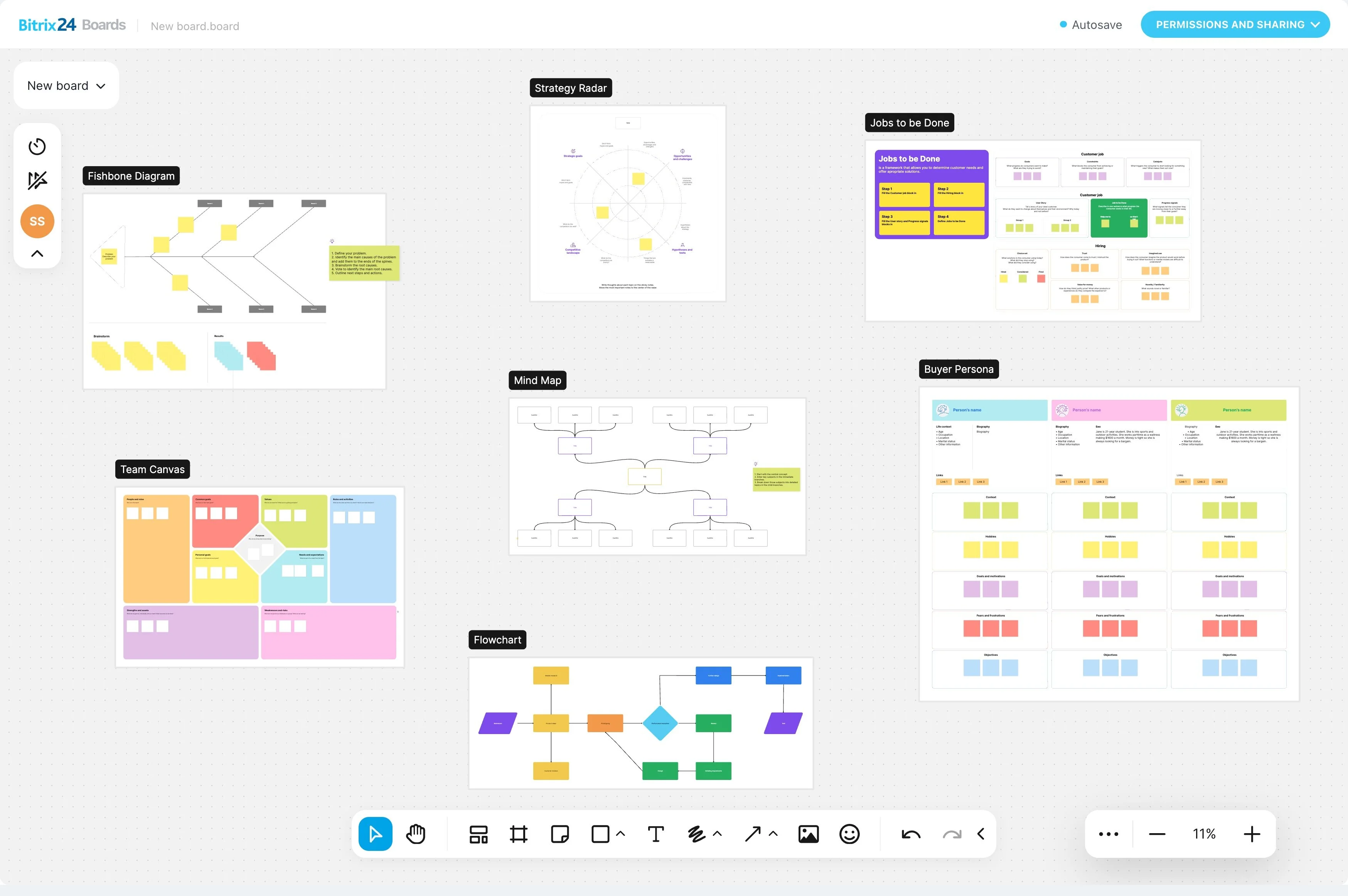
Select the structure that matches the work you need to repeat: a complete project plan, a recurring task set, a delivery timeline, or a detailed checklist.
Use a Bitrix24 template as the starting point, then tailor its responsibilities, stages, and details to the project your team is about to deliver.

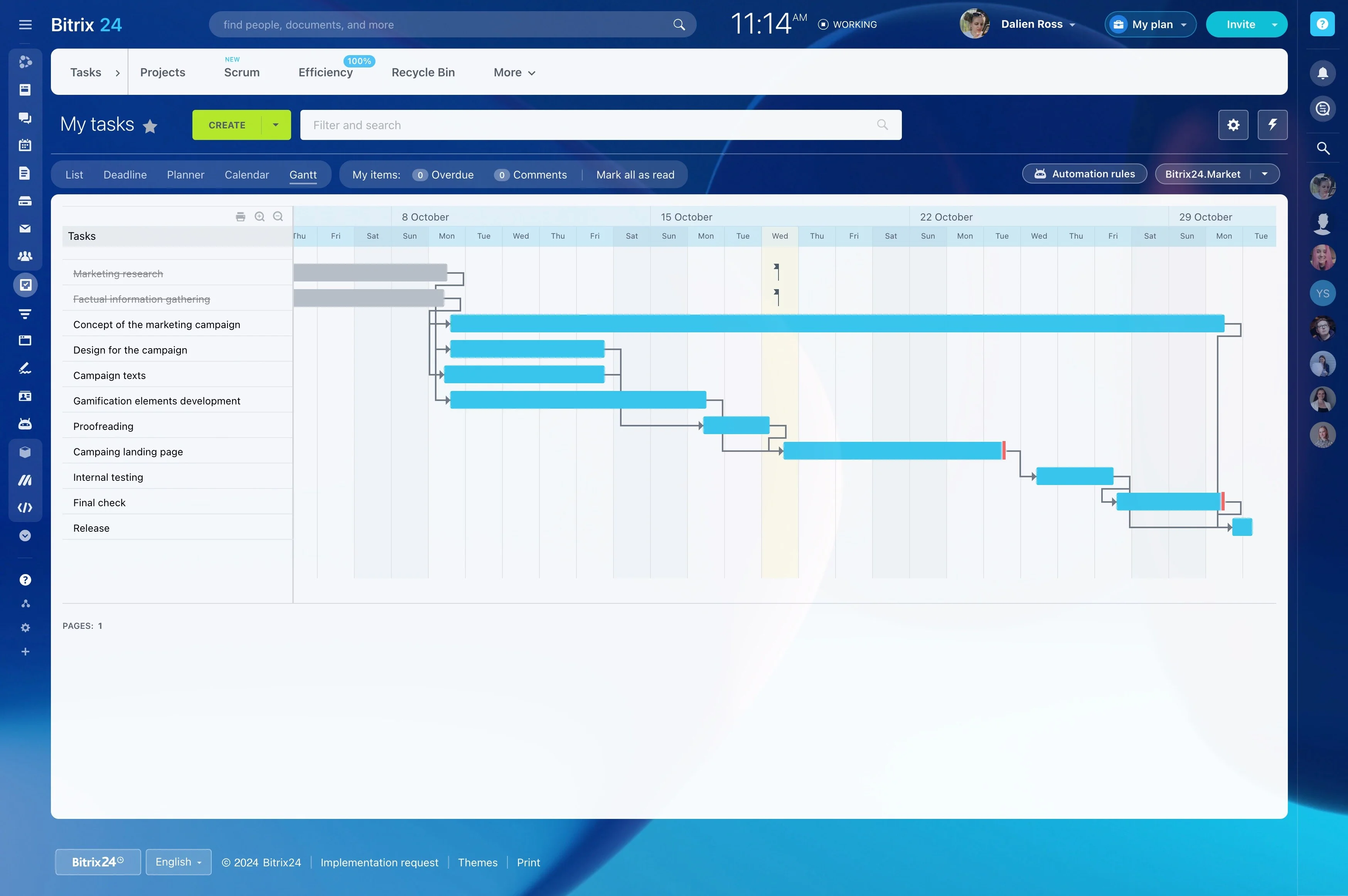
Map the sequence with a timeline
A timeline template shows the usual order of work and the points where reviews or approvals belong. It provides a baseline for estimating when major project stages can be completed.
Revise dates and dependencies when the current scope, priorities, or delivery conditions differ from the standard workflow.
Build templates around repeatable project work
A useful project management template captures the parts of a workflow that occur repeatedly while leaving room for project-specific decisions. Include the phases, milestones, owners, deadlines, and checks that help the team move from preparation to delivery.
- Project stages and milestones
- Tasks with owners and due dates
- Sequenced activities and checkpoints
- Checklists for recurring details
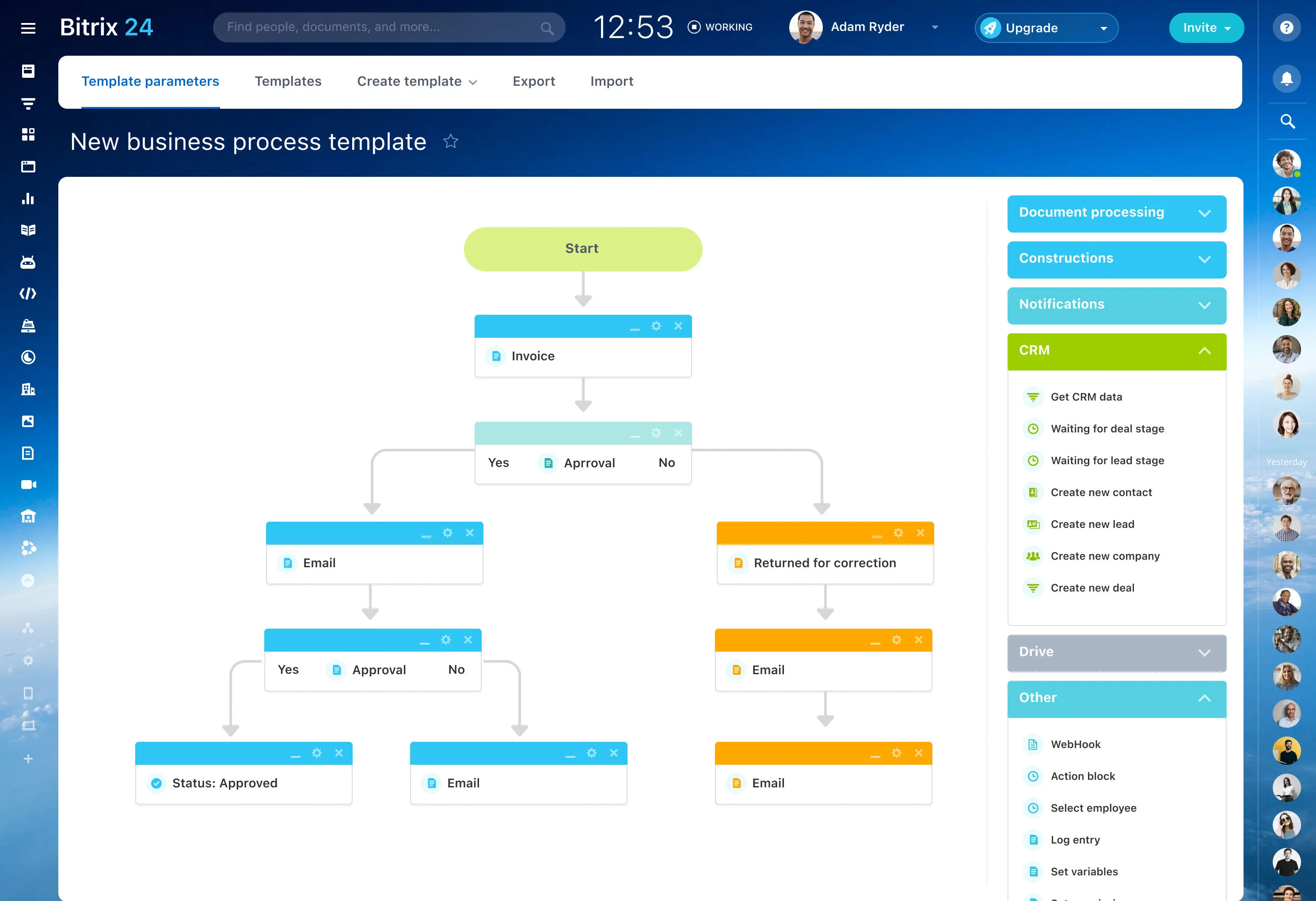
Set the project direction first
A project plan template establishes the destination before the team works through individual tasks. Use it to record the objective, main deliverables, stages, and checkpoints that define the project.
Then adapt the plan to the current scope and turn its stages into clear work for the people involved.
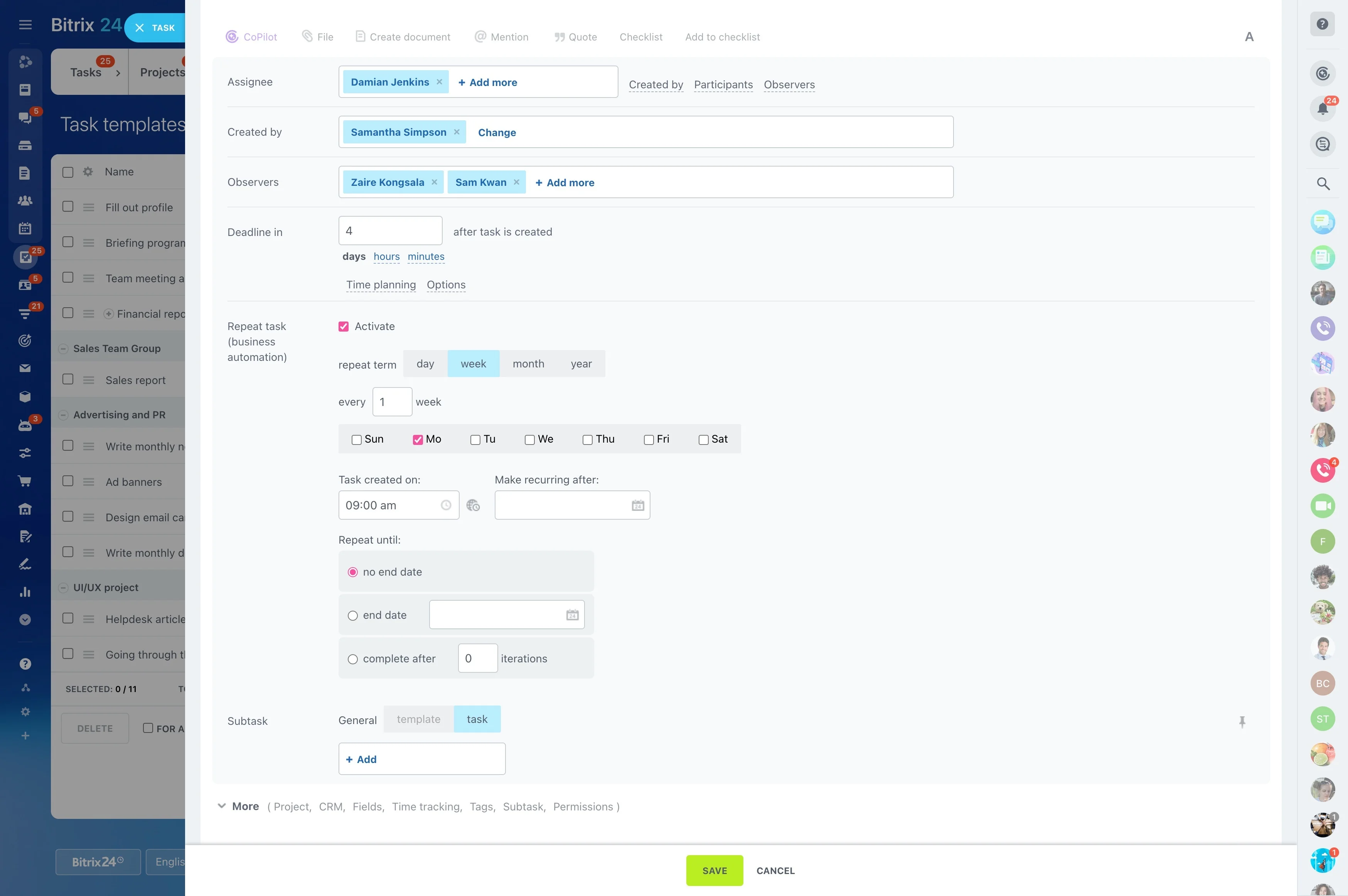
Reuse task sets for familiar phases
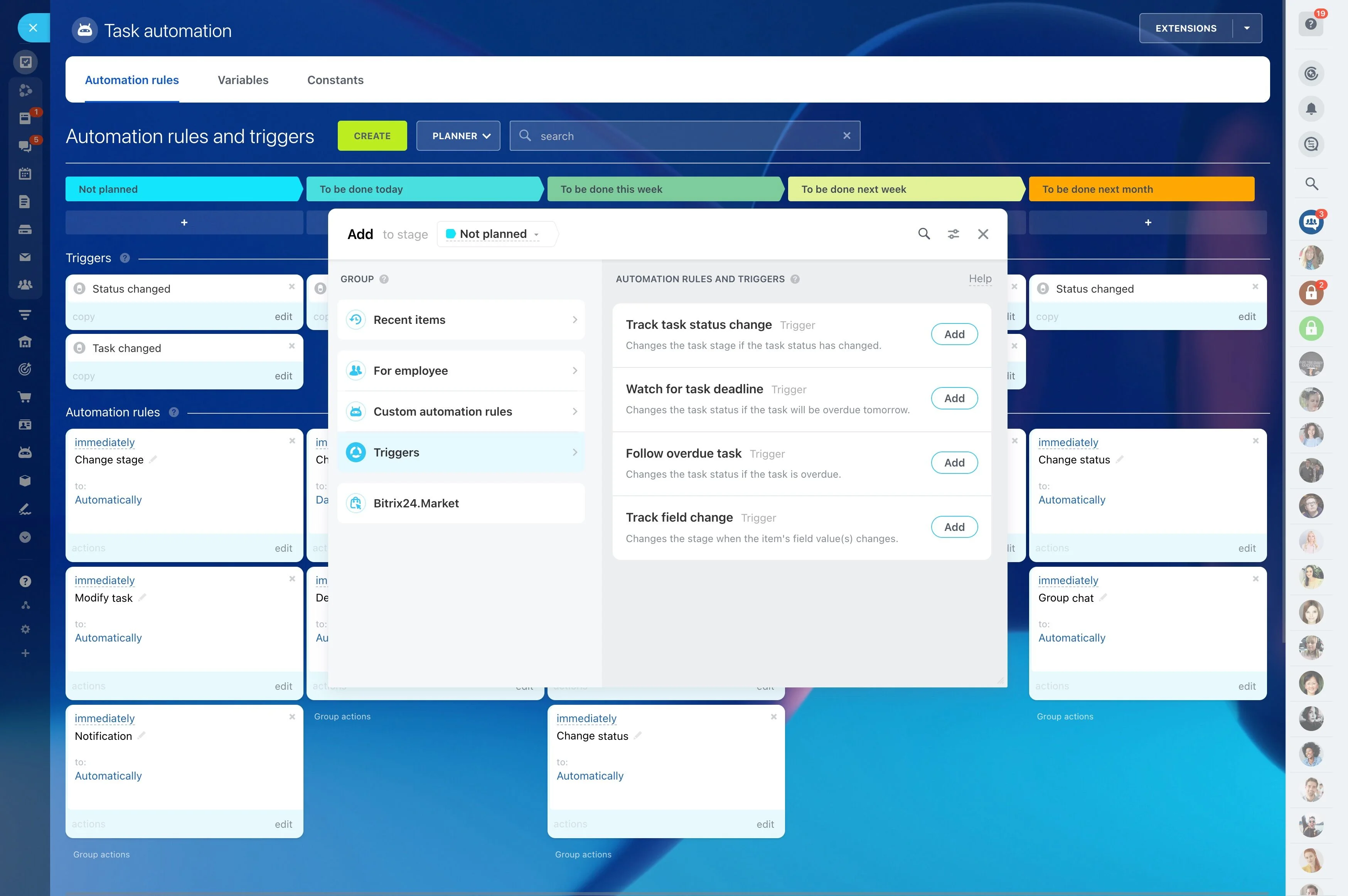
Task templates are useful when preparation, production, review, approval, or handoff appears in every project. A saved task set gives the team a consistent starting point without requiring someone to recreate each activity from memory.
Update the owners, dates, and details for the current project rather than rebuilding the workflow.
Capture quality checks in a checklist
Checklists preserve routine details that can be missed during delivery. Add required materials, review points, approvals, and handoff actions to the relevant template so the expected process is visible.
Team members can use the checklist as a practical reference while completing repeatable work.
Adjust the template to fit the project
A template should guide the work without locking every project into the same shape. Remove irrelevant tasks, add steps for the current request, and revise the timeline when the scope calls for a different approach.
After delivery, keep the useful changes and refine the template for the next project.