Projects often include the same reviews, handoffs, approvals, and status updates from one cycle to the next. Project management automation turns those repeatable actions into a defined rhythm, so the team knows what happens, who owns it, and when it is due.
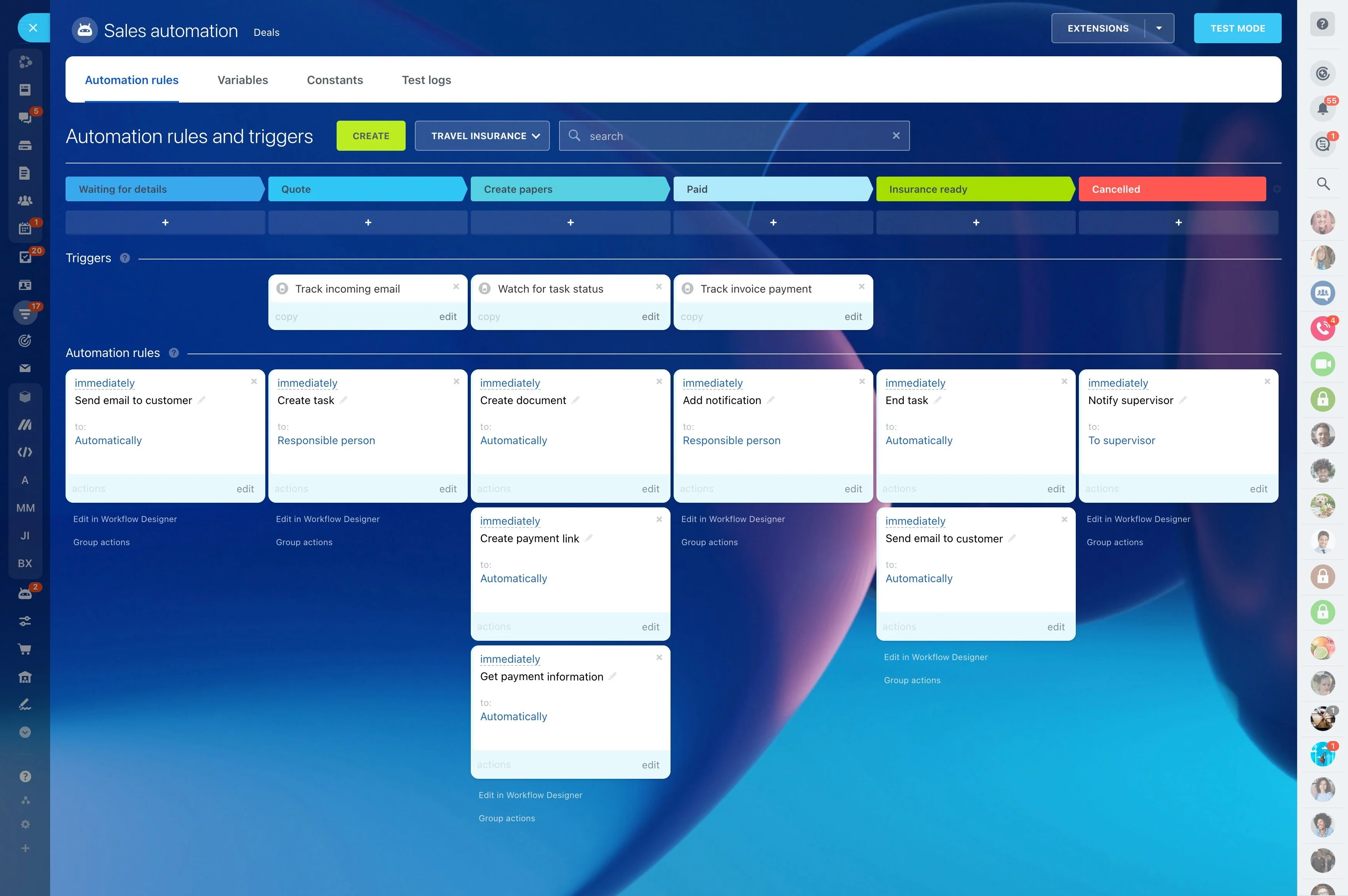
Bitrix24 supports this approach by connecting recurring tasks with deadlines, reminders, approval steps, and project status changes. Coordinators can reduce routine follow-up while keeping attention on blocked work, decisions, and the deliverables that need active management.
Respond to status changes
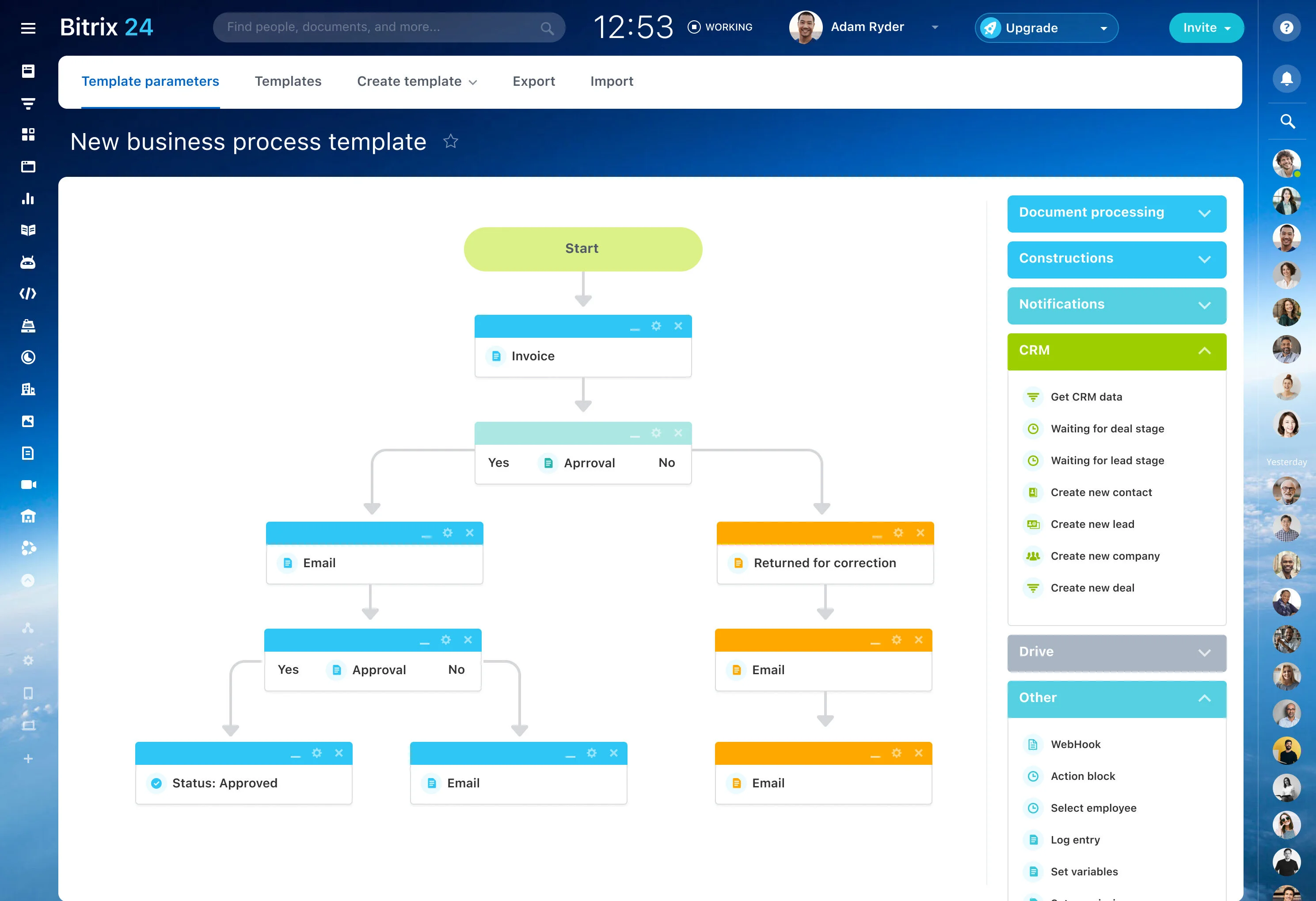
A new task or project stage often signals the next action. Automated steps can prompt an assignment, update, or follow-up when that status changes.
This keeps the project record aligned with current work and reduces the need to explain every transition in a separate message.
Create repeatable task routines
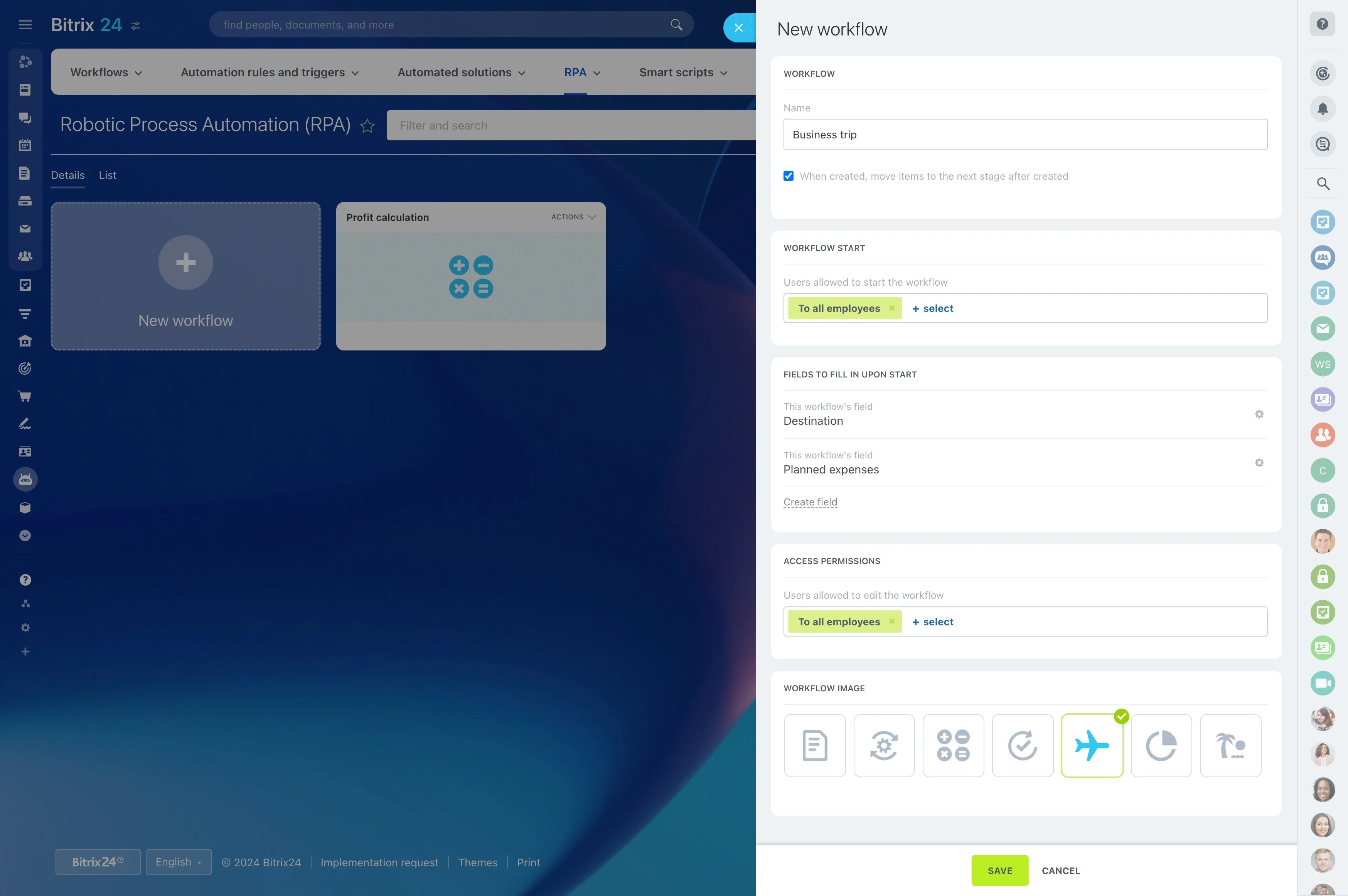
Weekly reviews, monthly reports, quality checks, and routine handoffs do not need to be recreated from scratch. Define the recurring task once, assign its owner, and keep it tied to the project where the work belongs.
- Reuse tasks for regular project activities.
- Set clear owners and due dates.
- Keep recurring work in its project context.
Keep deadlines visible
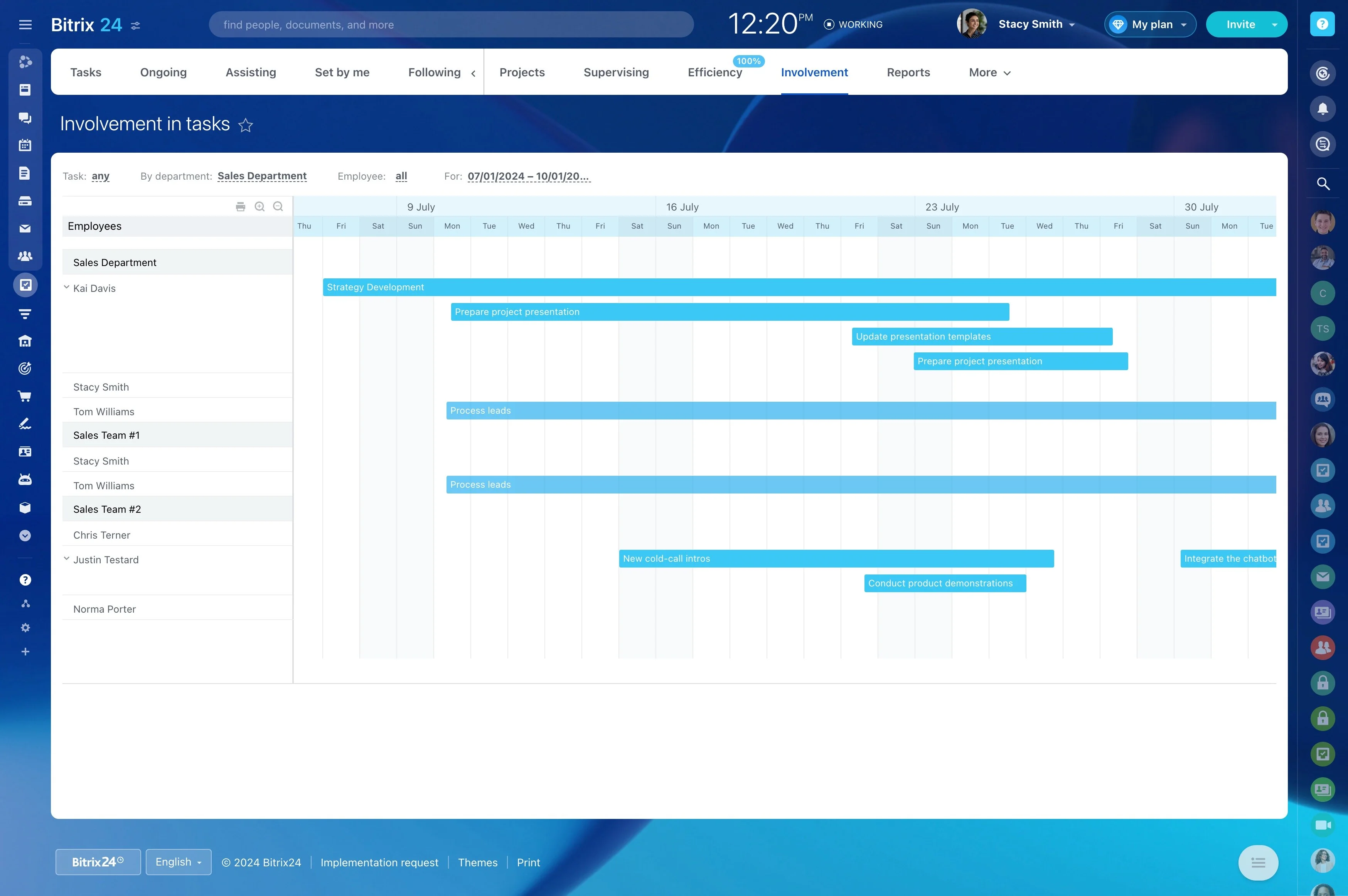
Timely reminders help contributors respond to upcoming or overdue work without making the project lead monitor every deadline. This is useful when several people share dependencies or review points.
Each person can see the action that needs attention, while coordinators spend less time sending routine follow-ups.
Move deliverables through approval
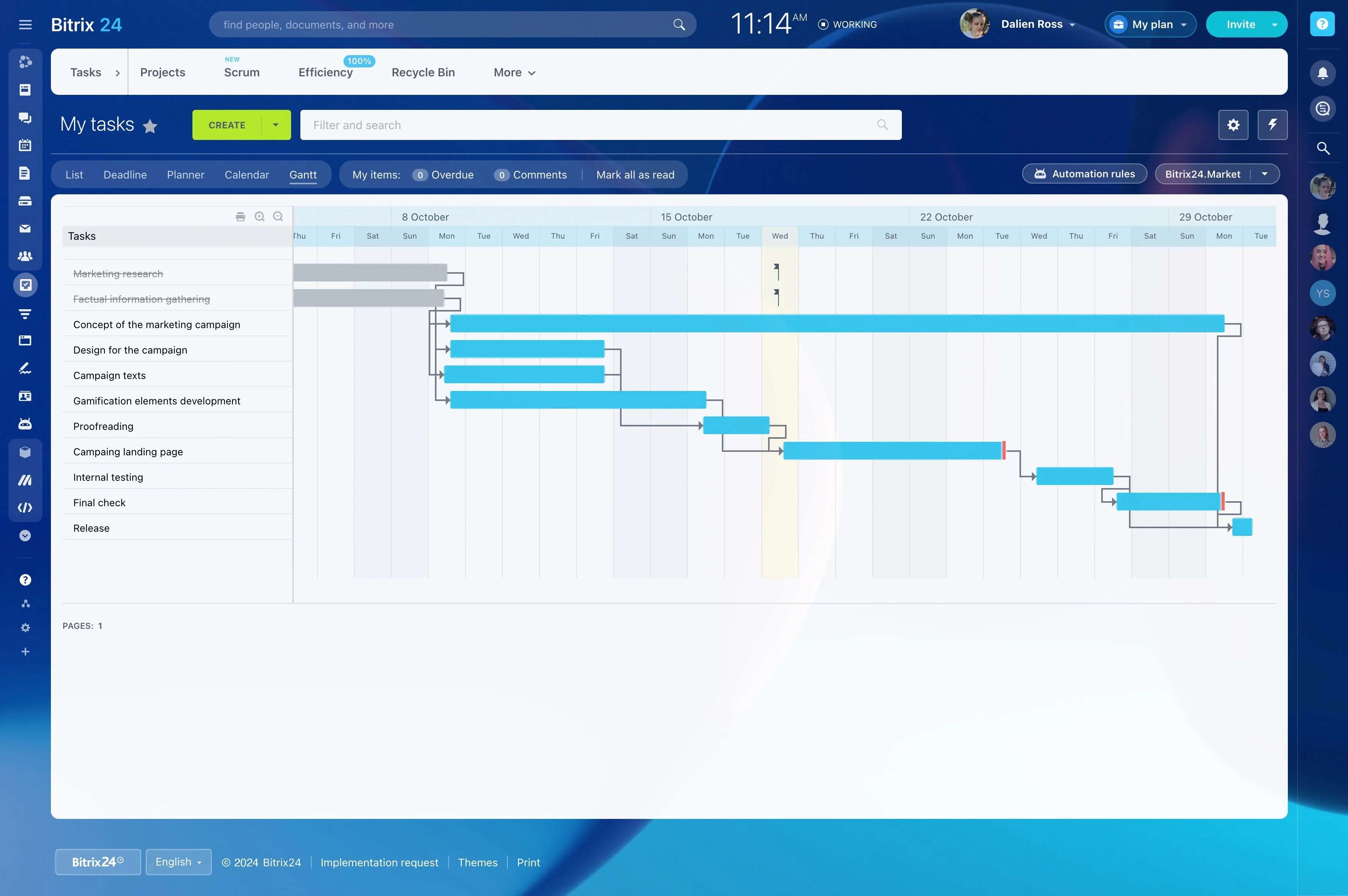
Projects can pause when a deliverable, request, or change is waiting for review. A defined approval step shows what has been submitted, who must decide, and what follows the decision.
Automation makes the handoff consistent while leaving the approval itself to the responsible person.

Focus on exceptions and decisions
A dependable routine gives project leads a clearer way to review recurring activity across active work. Standard tasks, reminders, approvals, and updates make expected progress easier to distinguish from exceptions.
Leads can then concentrate on blocked work and decisions instead of repeatedly checking whether routine steps have started.
Automate one project pattern first
Start with a process that repeats often enough to justify structure. Map its owners, deadlines, approval points, and status transitions before applying the approach elsewhere.
- Choose one recurring project process.
- Assign responsibility for each step.
- Mark the reminders and approvals to automate.
- Review the routine and refine it with the team.