Keep reporting consistent across teams, regions, and product lines
Enterprise CRM programs usually fail for one reason: the business scales faster than the operating model. Regional teams create their own pipelines, “qualified” means different things in different groups, approvals happen outside the record, and reporting becomes more about cleaning data than running the business.
This page is for large companies evaluating an enterprise CRM platform to standardize execution across teams while keeping room for legitimate differences in sales motion. Bitrix24 supports that approach by letting you define consistent stages and required data, control access by role, and apply rules for routing and approvals—so performance becomes comparable across teams and leaders can manage from one set of definitions.
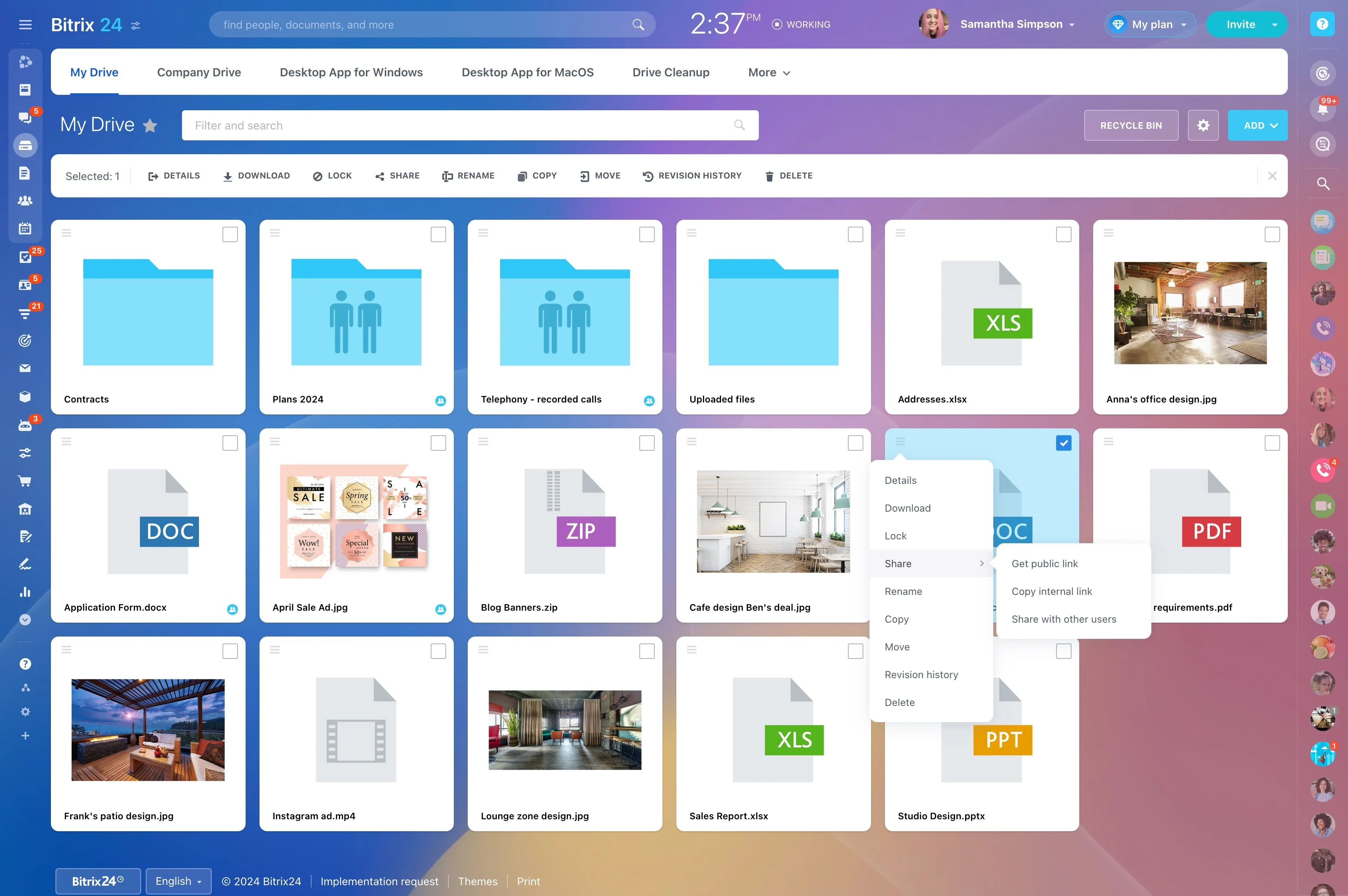
- Standardize how deals are created, qualified, and progressed
- Control who can view, edit, and approve sensitive records
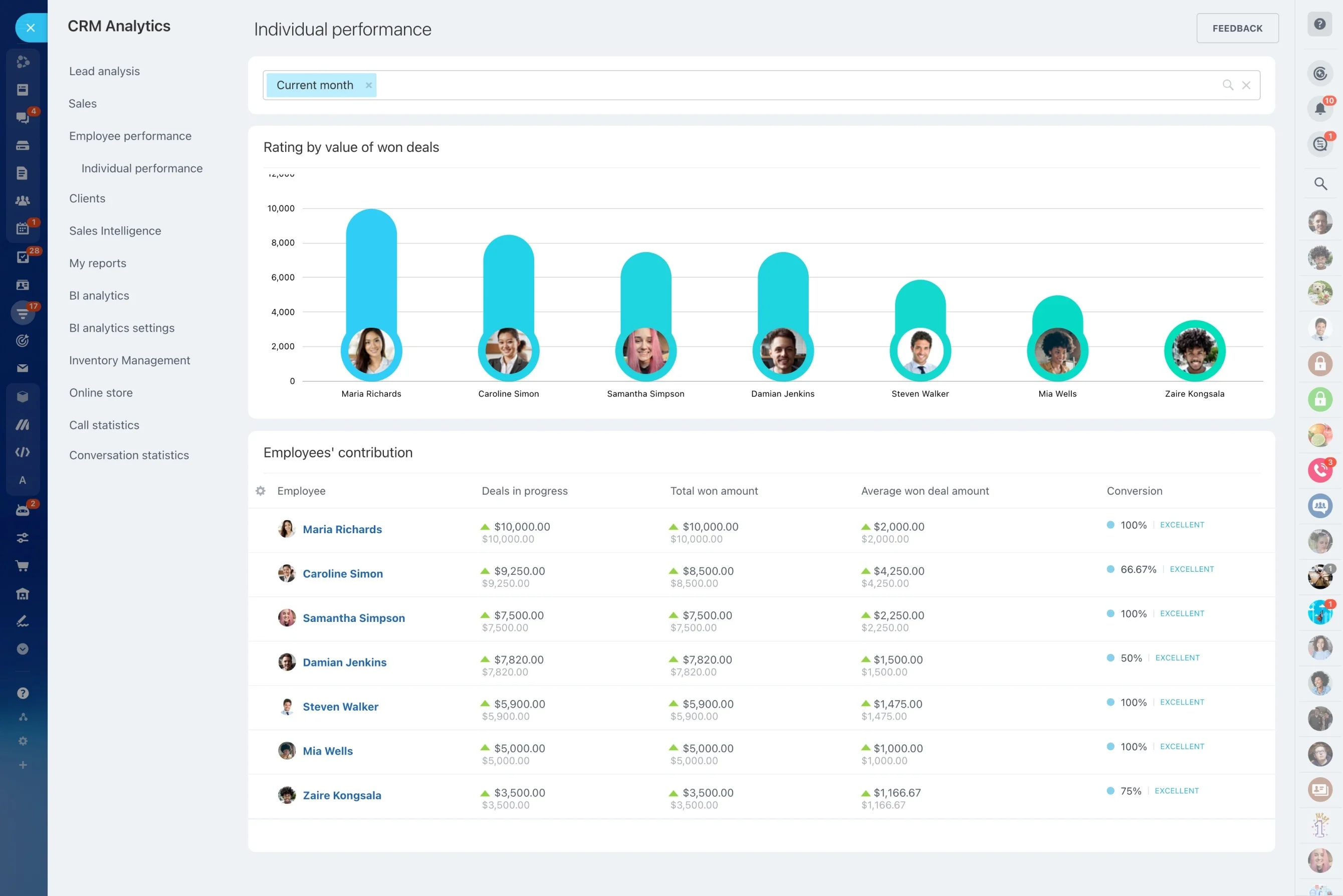
- Keep reporting consistent across teams, regions, and product lines
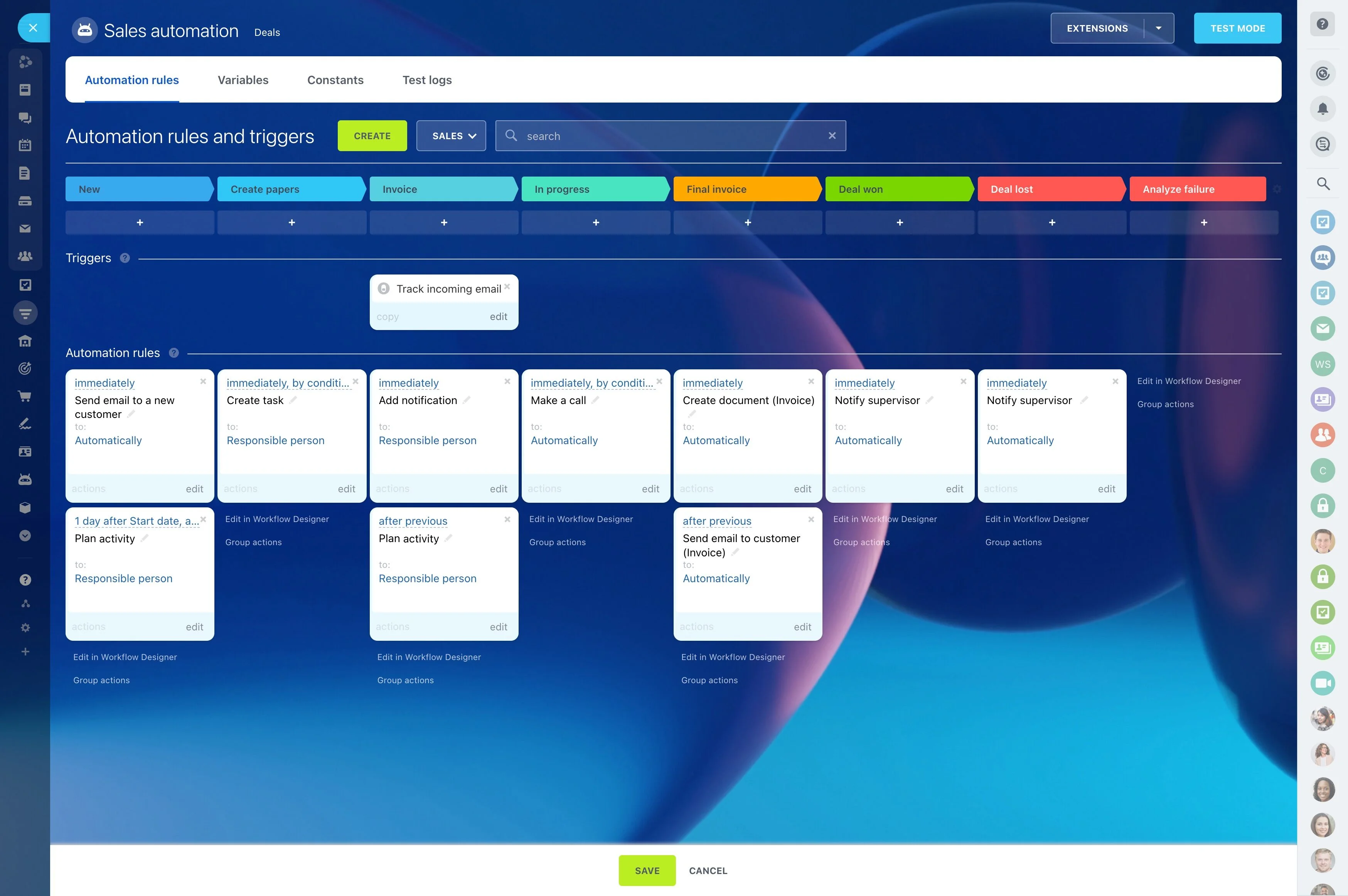
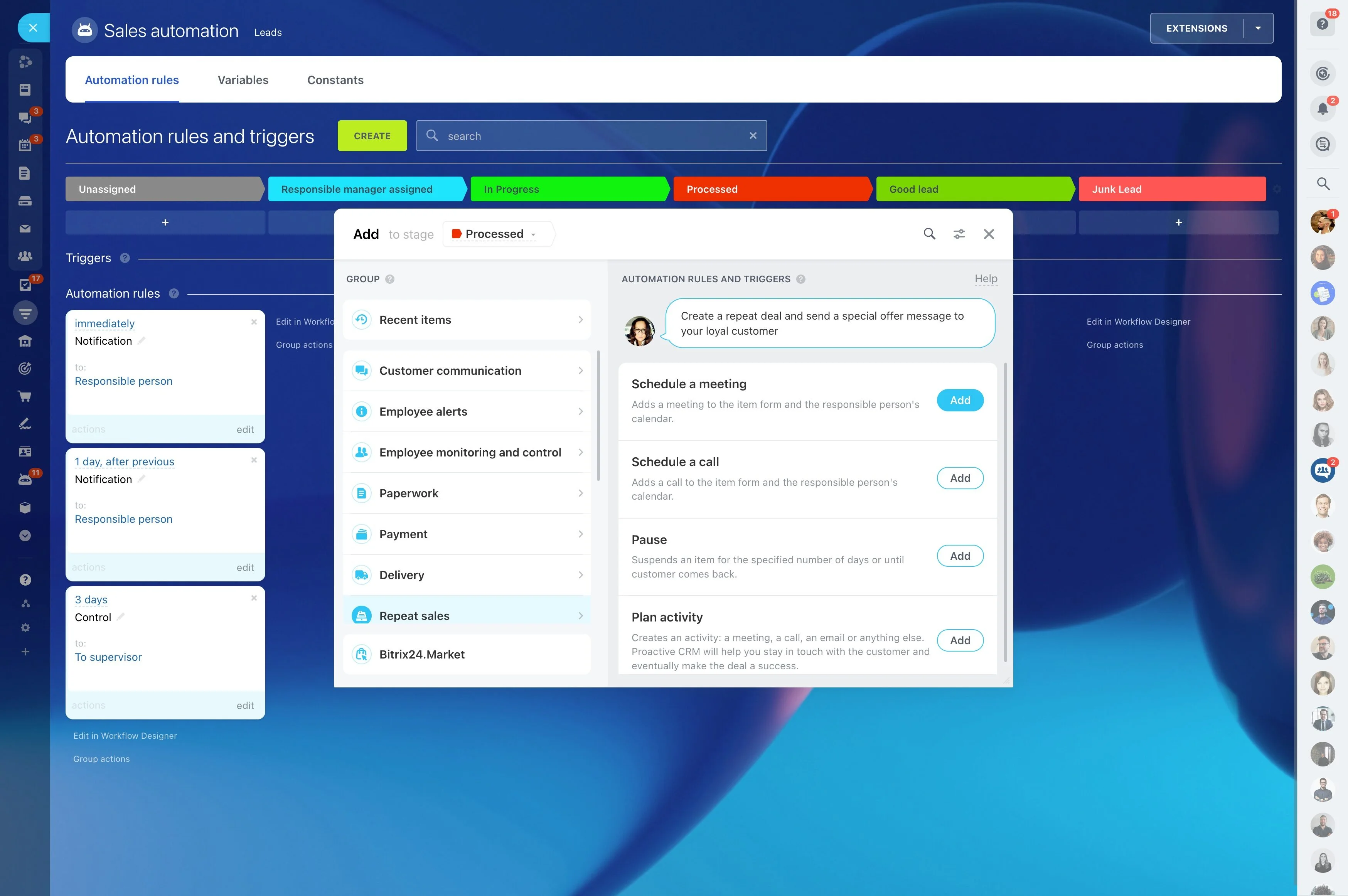
Use automation to govern routing and approvals
In large teams, automation is about consistency: routing ownership the same way, triggering approvals at the right thresholds, and preventing deals from advancing without required inputs.
Bitrix24 supports governed execution by applying rule-based actions inside the deal flow, reducing variation without turning managers into full-time process police.
Build a scalable CRM operating model
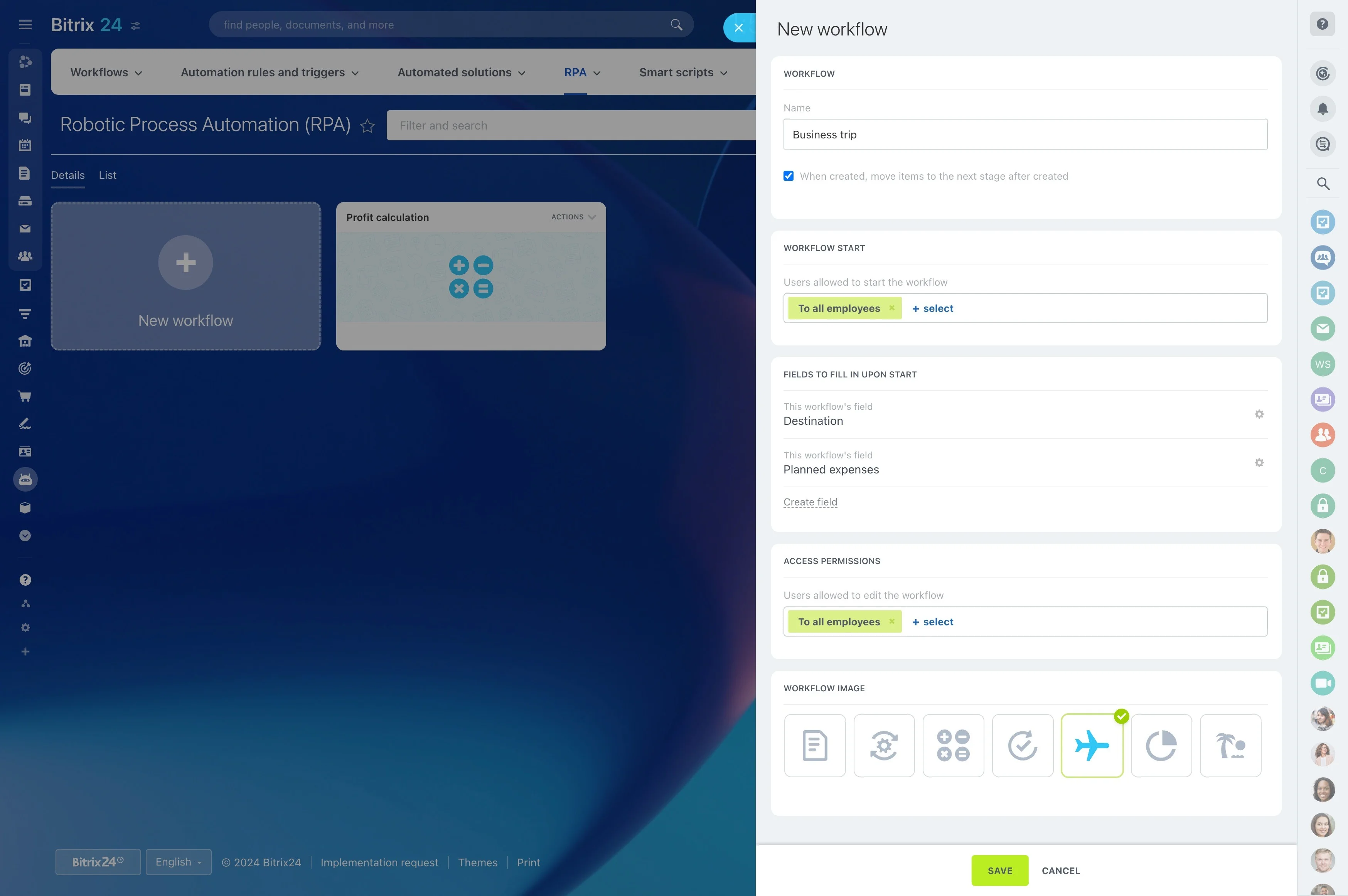
At enterprise scale, the target isn’t “one pipeline for everyone.” It’s a repeatable model: shared stage definitions, required fields, and approval points—plus controlled variation where the business truly differs.
In Bitrix24, you can reflect those standards in your CRM structure so teams follow the same critical steps and capture comparable data, while still supporting multiple pipelines for different regions, product lines, or motions.
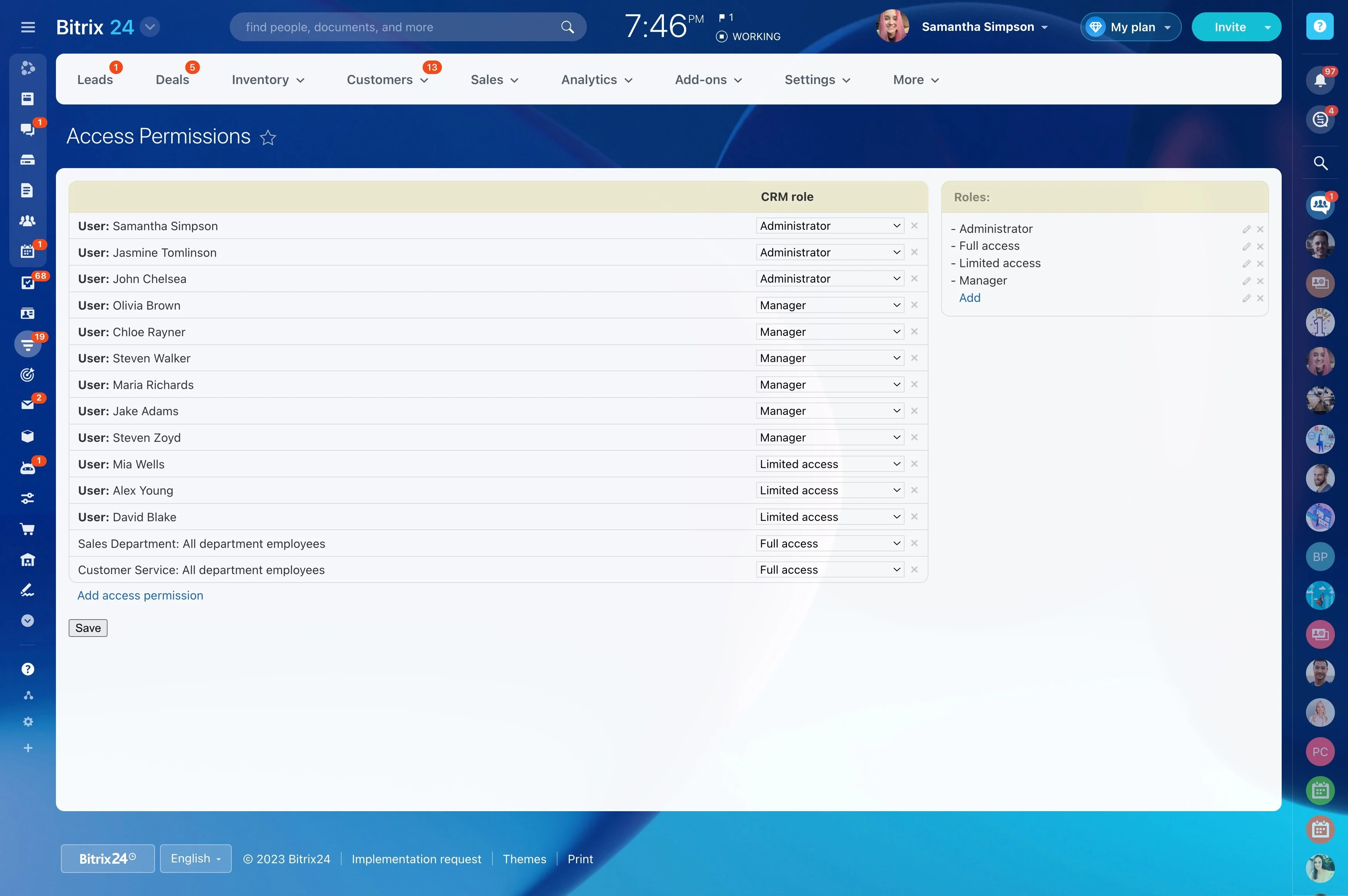
Role-based access with clear change ownership
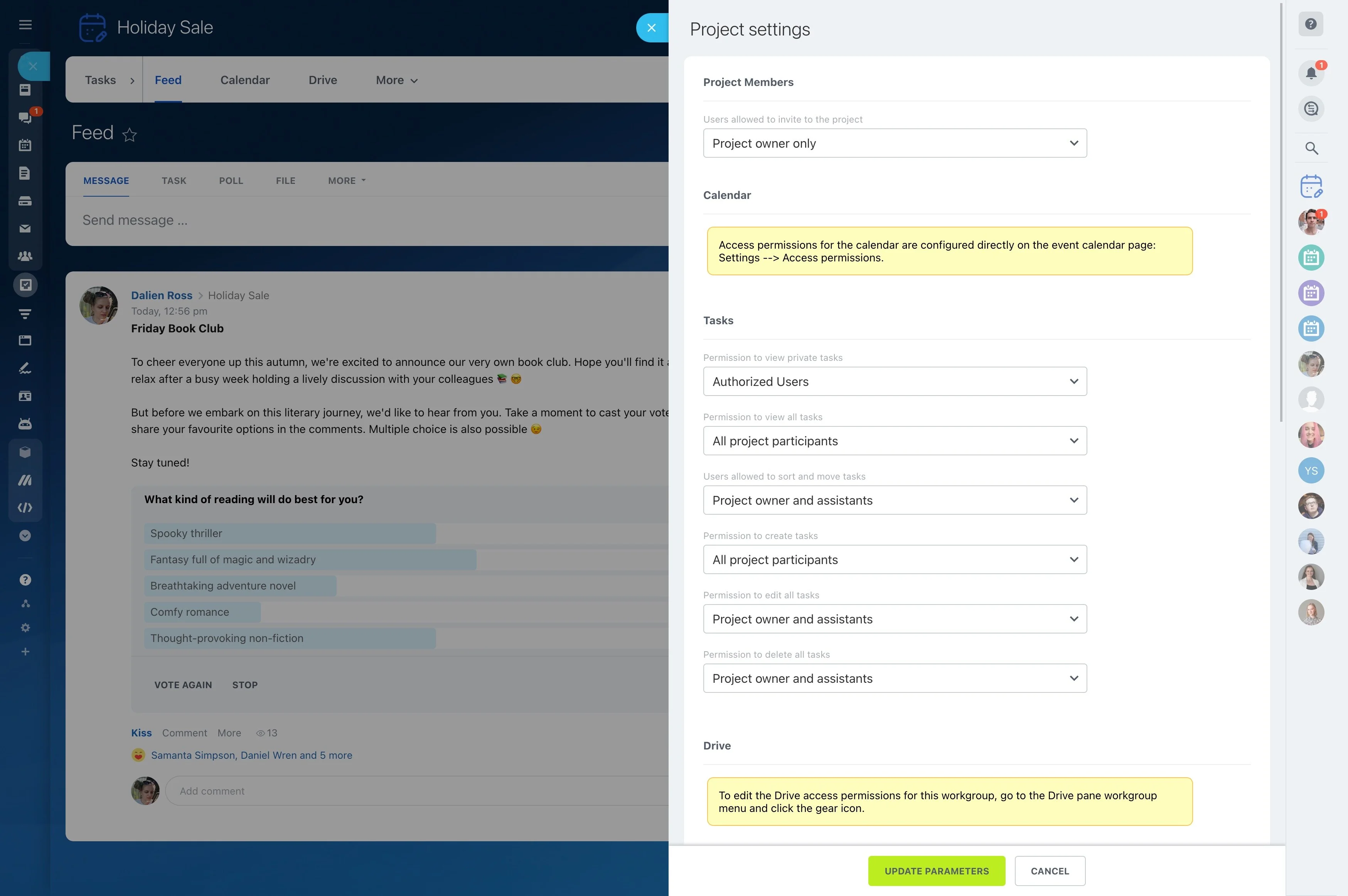
Once CRM becomes a system of record, governance includes both permissions and change control. Reps, managers, and CRM ops need clear boundaries for what they can update and what requires approval.
Bitrix24 lets you map access to roles so sensitive records and fields aren’t broadly exposed, and process changes are owned—reducing ad hoc edits that undermine consistency as you onboard new teams.
Enforce consistent data for enterprise reporting
Cross-team reporting only works when stage meanings and required fields are consistent. Standardize what must be captured at each step—qualification signals, forecast category, and close reasons—then enforce it where it matters.
A consistent CRM data model makes comparisons meaningful across regions and helps leadership spot which motions and segments are actually driving results.
Make handoffs traceable across teams
Enterprise selling includes handoffs—SDR to AE, AE to solution engineering, sales to legal or finance, then renewals or account management after close. The risk is losing context and accountability during transitions.
Use consistent ownership rules and required handoff information so each team knows what they own, what “done” means, and what must be present before work moves forward.
Drive adoption with controlled flexibility
Adoption improves when the CRM matches real roles and real decisions. Standardize what creates enterprise-wide comparability—core stages, required data, and approvals—then keep the rest configurable so teams don’t build shadow processes elsewhere.
This balance helps large organizations onboard new groups faster while protecting governance and reporting integrity.