Log quote requests with estimator-ready details
A moving company doesn’t just “win a deal”—it commits to a date, a scope of work, and a crew plan. Problems usually start in the gaps between inquiry, survey, quote, booking, and dispatch: access notes get missed, the estimate is based on outdated assumptions, or the crew shows up without the right instructions.
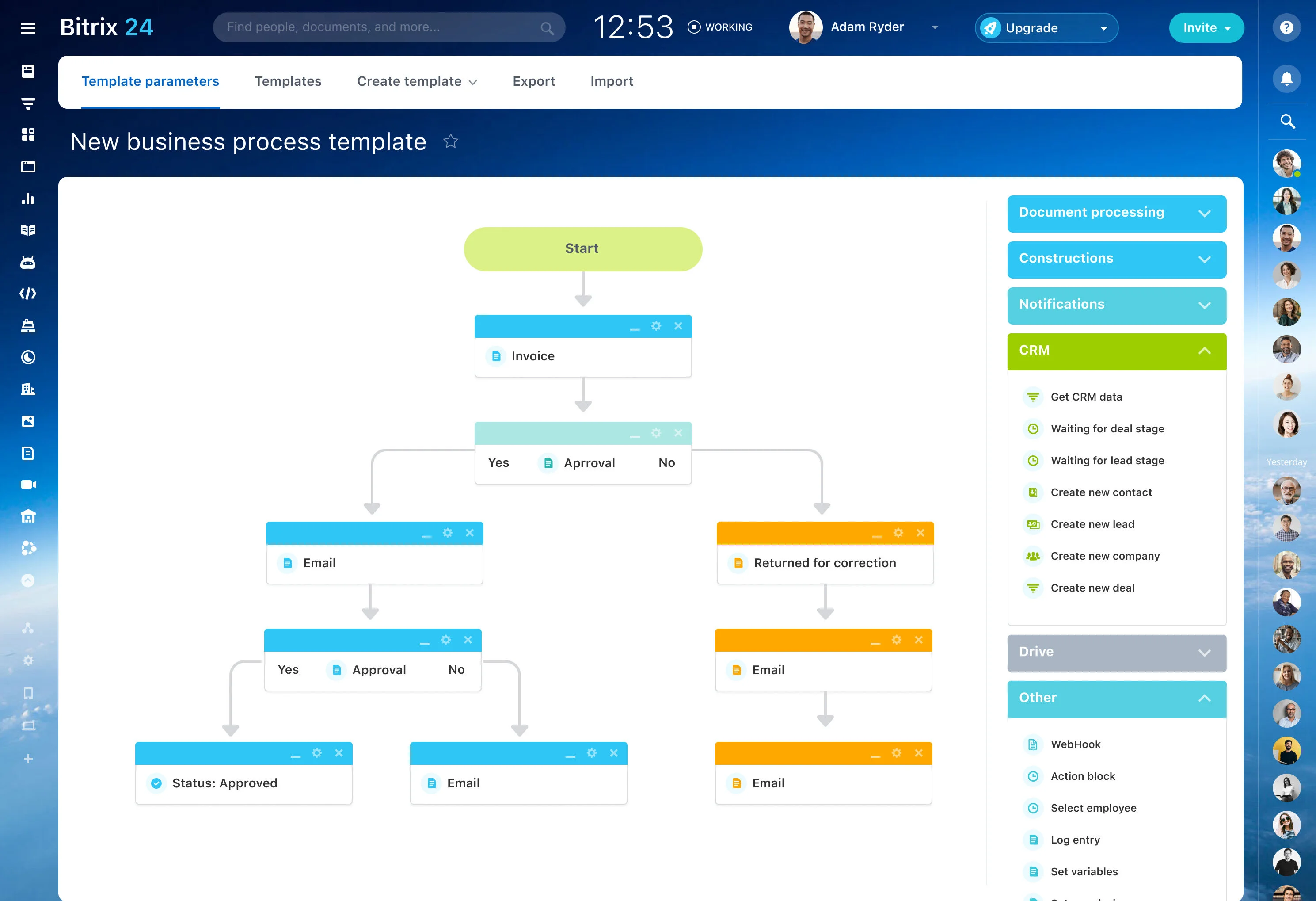
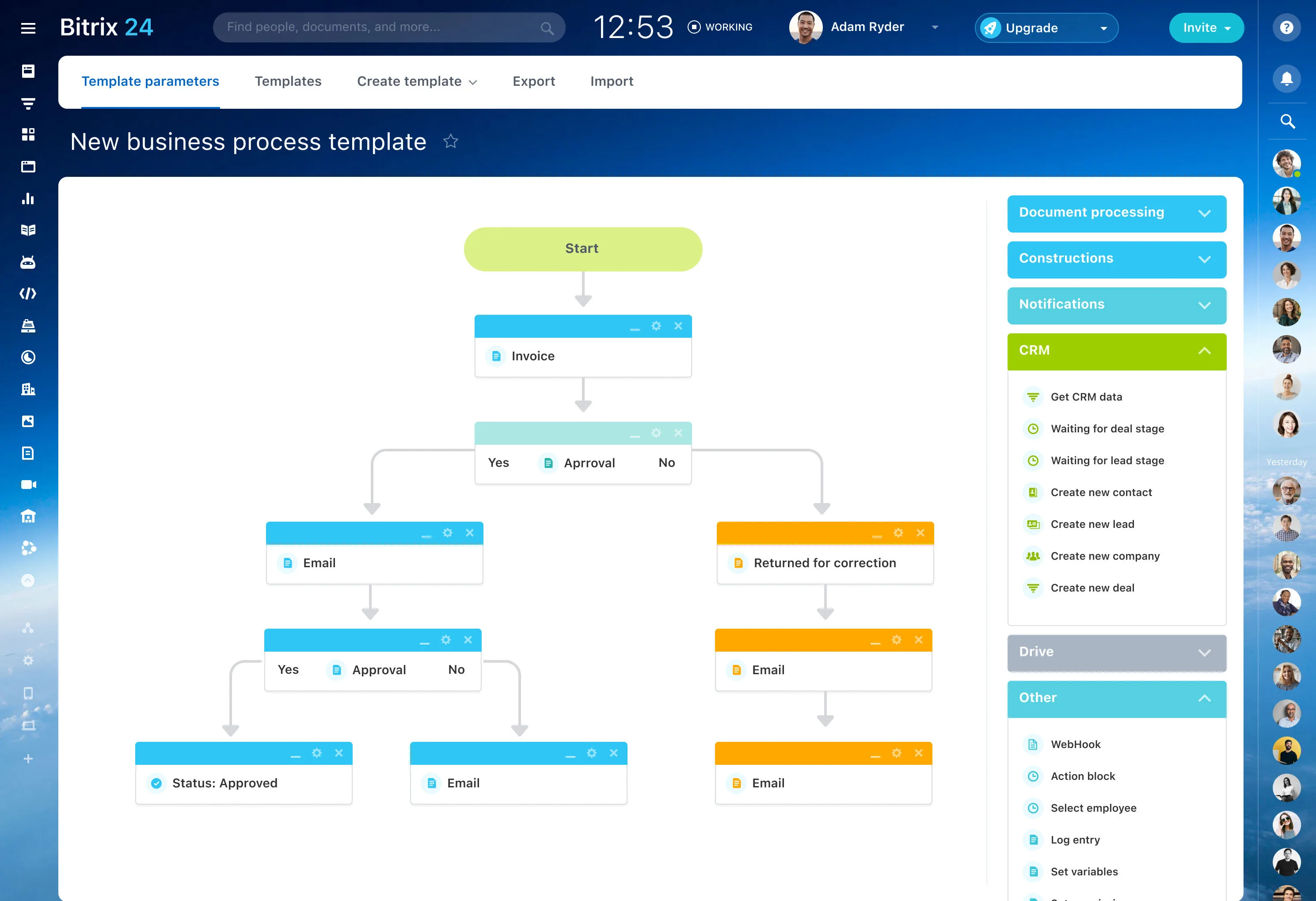
A CRM for moving companies should mirror your real workflow: capture the request, schedule and document the survey, produce and revise the quote, confirm the booking (including deposit status), hand off to dispatch, and keep customer updates tied to the job. In Bitrix24, you can keep that entire lifecycle on one deal record, with clear stages, attached survey materials, and operational notes that follow the job through completion.
- Track each move from inquiry to completed job
- Keep survey outcomes and quote assumptions attached to the booking
- Support clean handoffs from sales/estimating to dispatch and crew lead
- Log customer communication and post-move follow-ups on the job timeline
Example workflow: web inquiry to post-move follow-up
Day 1: A customer requests a quote for a 2-bedroom move with packing. The request is created as a new deal with date range, addresses, access notes, and services.
Day 2: A virtual survey is scheduled; inventory notes and photos are saved to the deal. After the survey, the deal moves to “Quote sent,” with assumptions documented.
Day 4: The customer accepts and a deposit is recorded. The deal moves to “Confirmed,” and dispatch assigns a crew lead and truck needs, adding day-of instructions (parking, elevator reservation, fragile items).
Move day: The crew lead uses the job record as the brief, then the status is updated to “In progress” and “Completed.”
After: The office logs follow-up notes and schedules a review request with the full job history in one place.
Turn quote acceptance into a confirmed booking
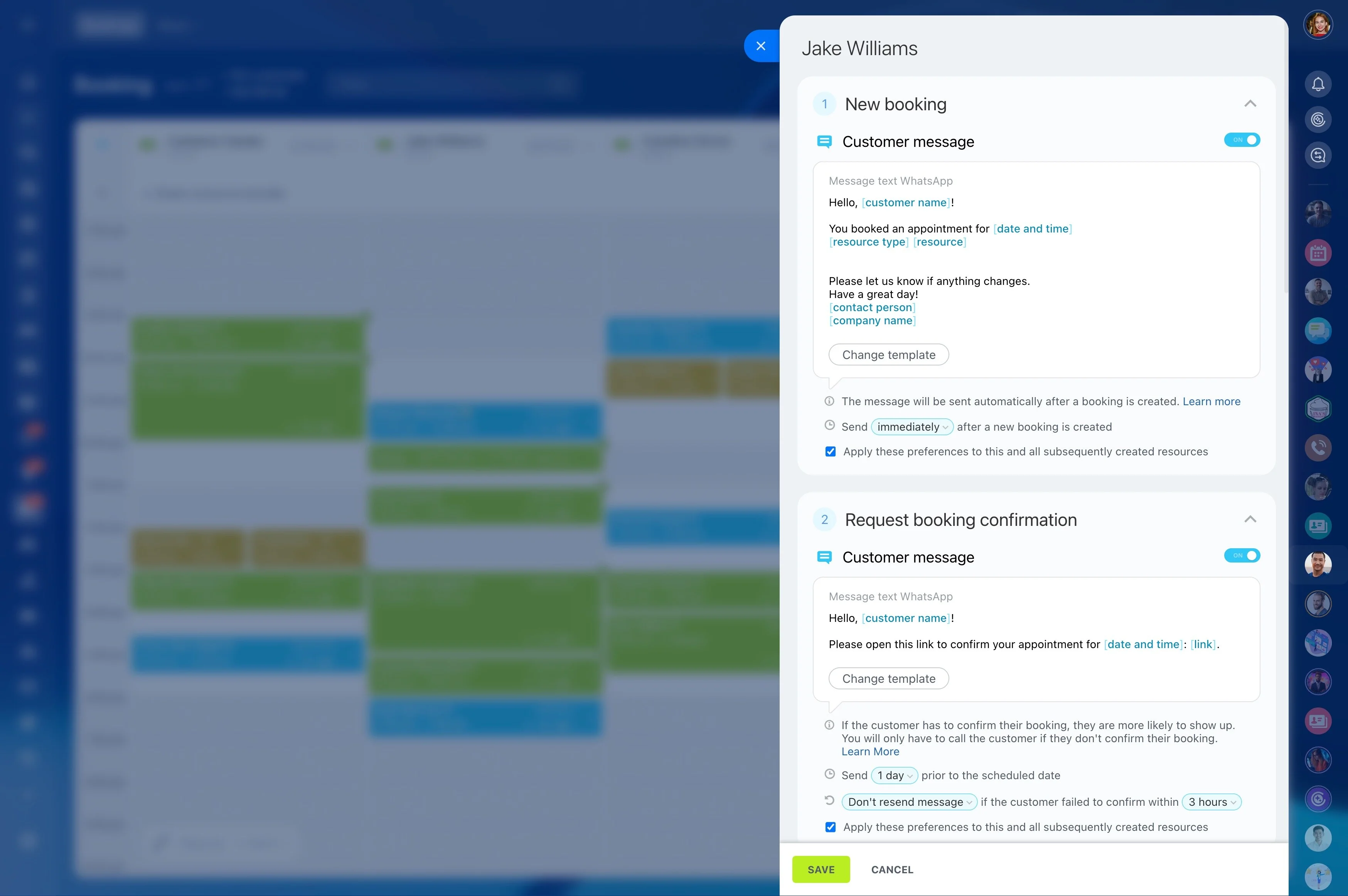
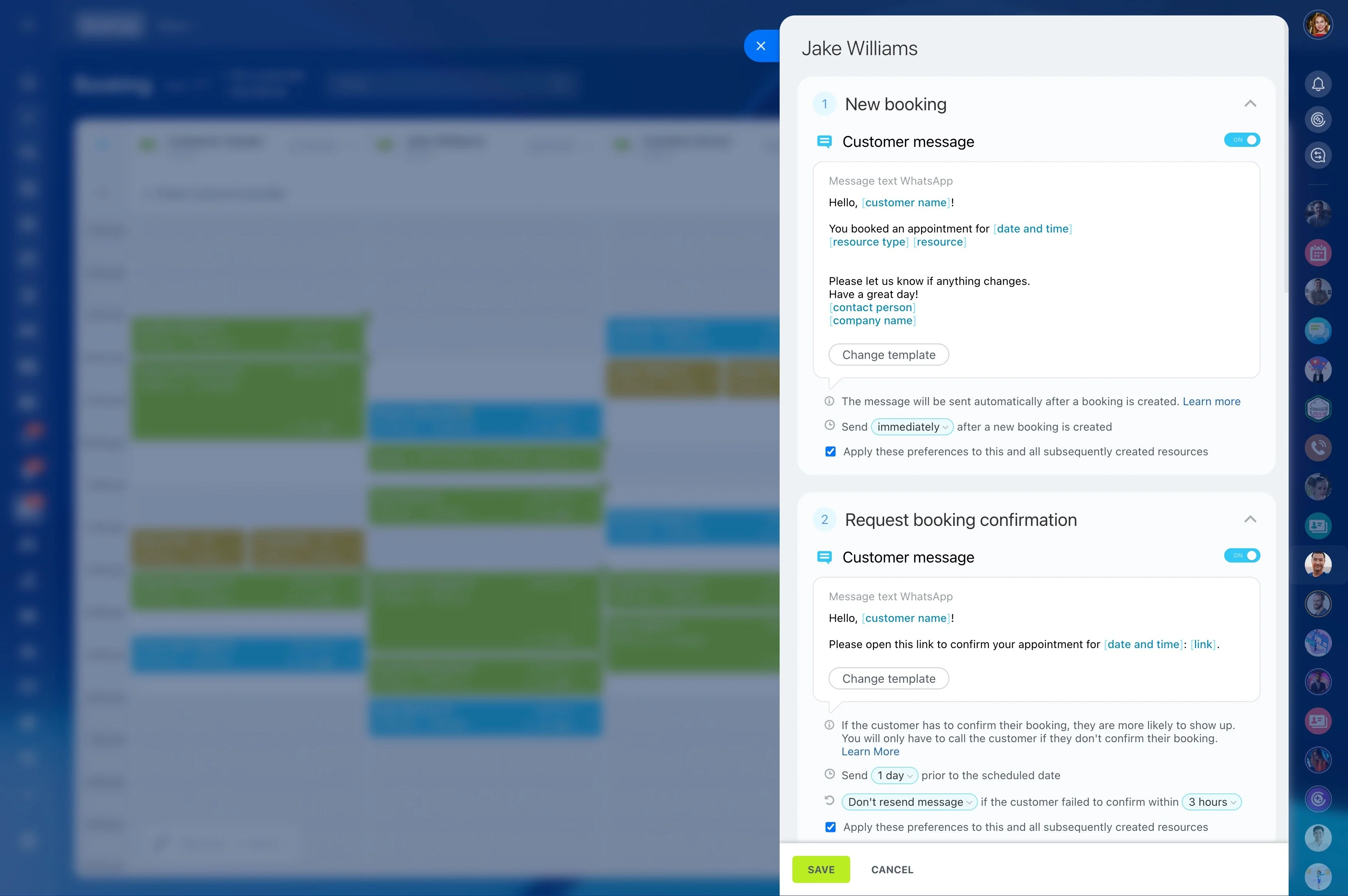
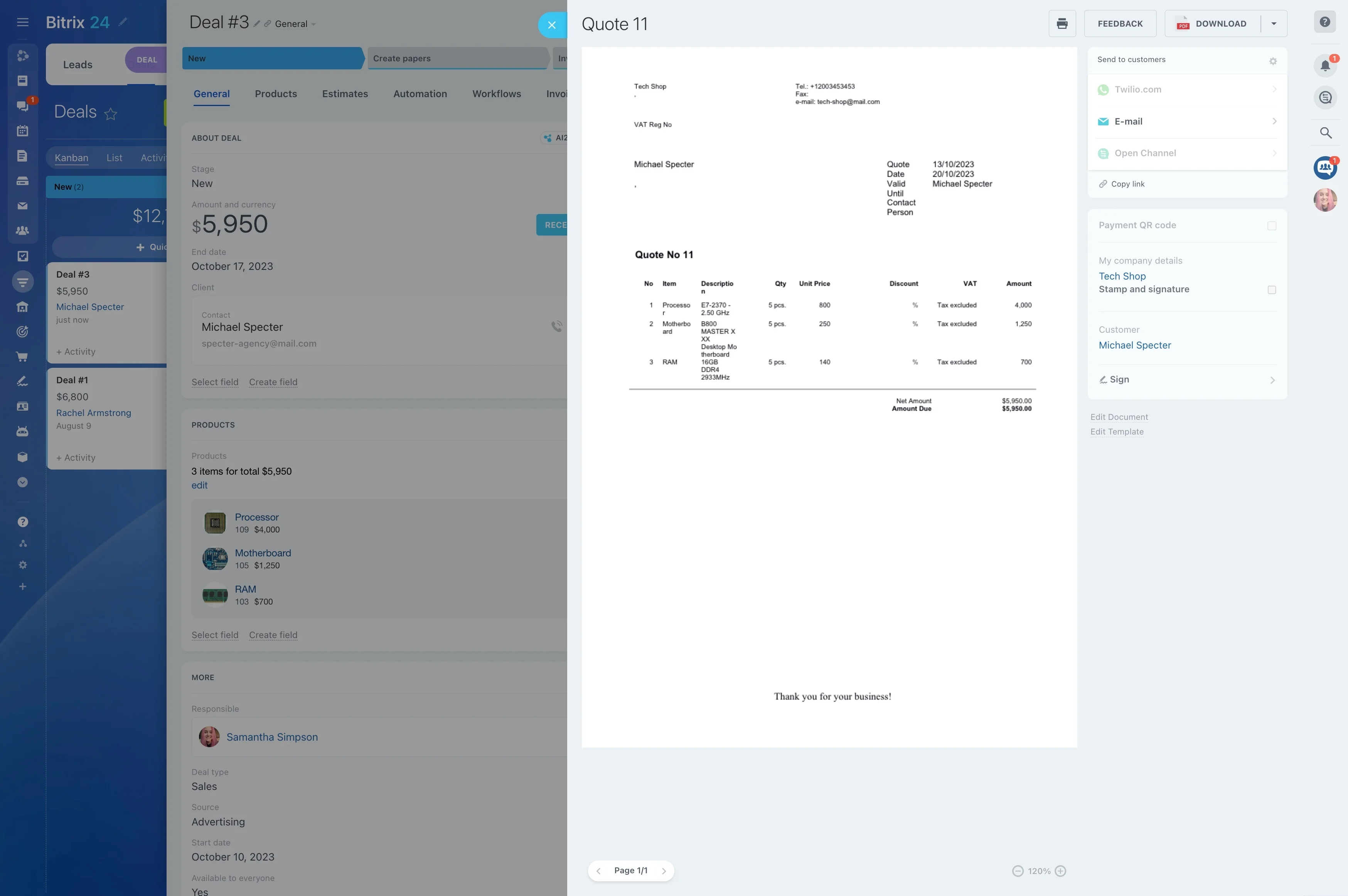
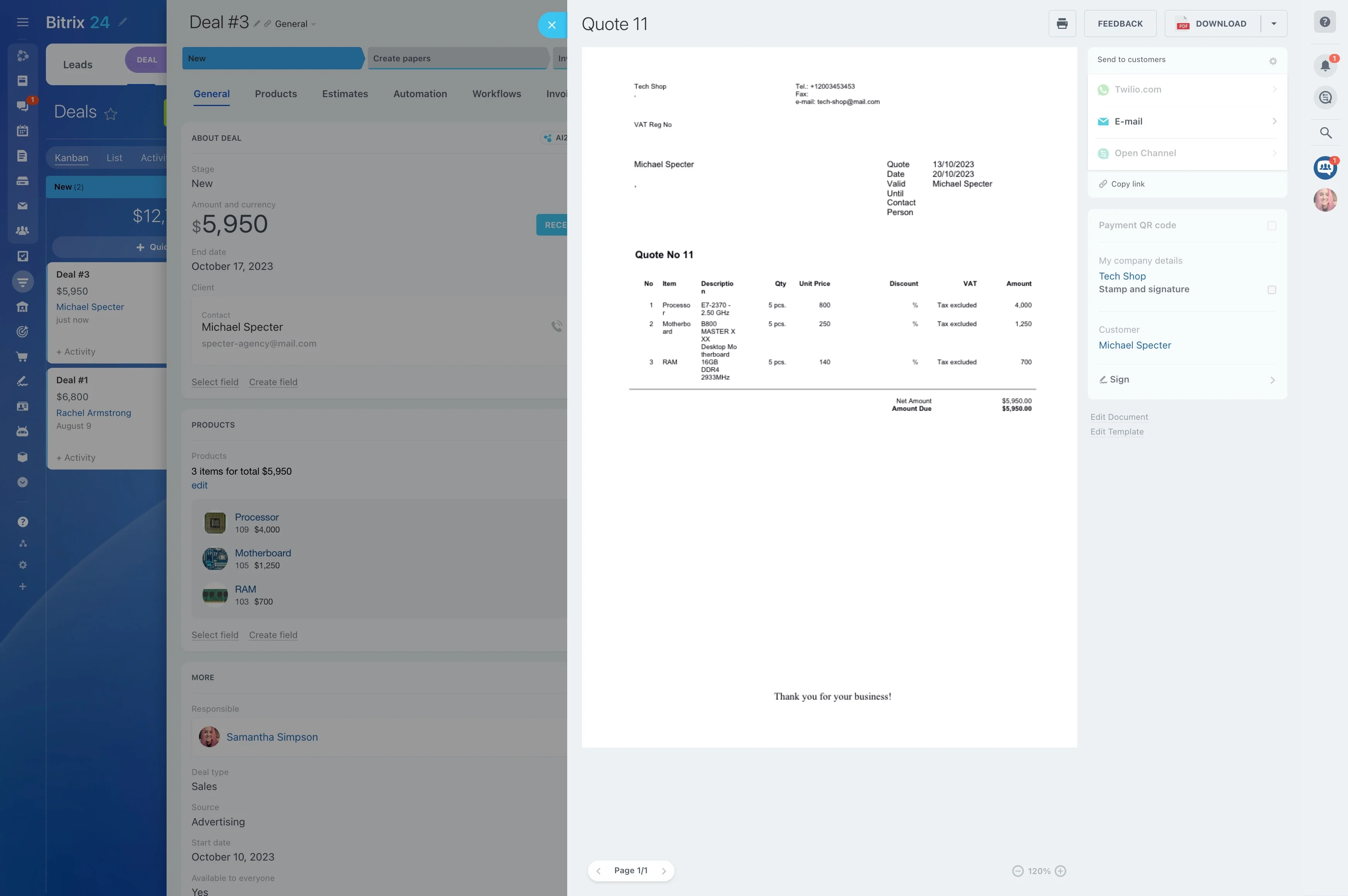
Quoting should end with an unambiguous status: pending, accepted, or confirmed for a specific date/time window. Track the steps that prevent a verbal “yes” from being treated like a scheduled job.
- Record quote versions and scope changes
- Note acceptance and deposit/confirmation status
- Save the booked date/time window and selected services
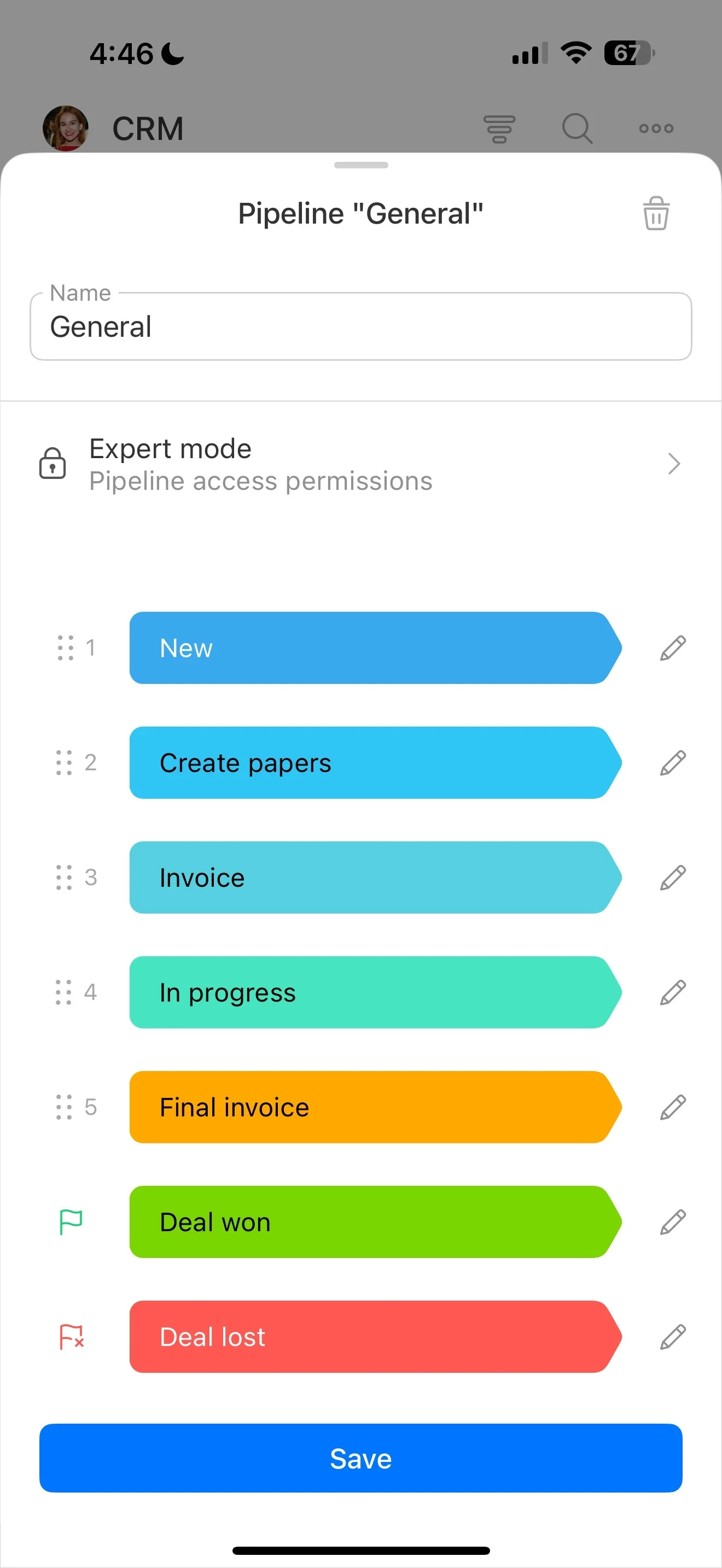
Build stages around how moves get confirmed
Moving work is won when a job is confirmed with the right date, scope, and constraints. Set your pipeline stages to match your operating steps so everyone can see what’s done, what’s missing, and what “ready to dispatch” actually means.
- New inquiry → Qualified
- Survey scheduled → Survey completed
- Quote sent → Quote accepted
- Booked / deposit pending → Confirmed
- Dispatched → In progress
- Completed → Follow-up / review request
Log quote requests with estimator-ready details
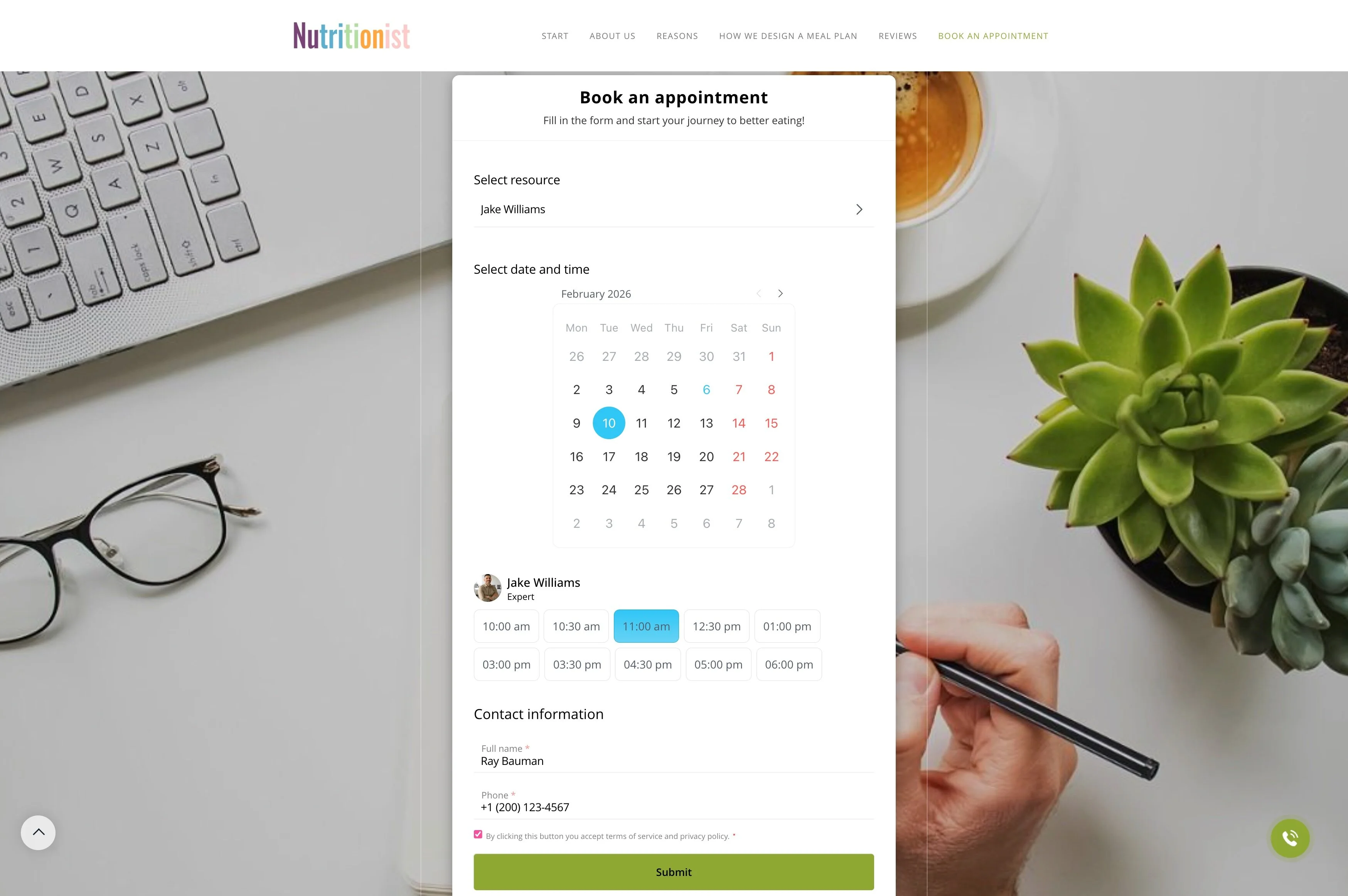
The first interaction should capture enough detail to price and plan the next step. Store the essentials on the lead or deal so the estimator and dispatcher aren’t starting from scratch.
- Date range, preferred time window, flexibility
- Origin/destination, parking/elevator access, distance constraints
- Home size, rough inventory, special items
- Packing, supplies, storage, multiple stops
- Decision timeline and primary contact
Keep survey results and assumptions on the deal
Surveys are where estimate accuracy is earned. Use the deal as the home for survey outputs so the quote—and later the crew brief—reflects documented conditions instead of memory or side messages.
Attach room notes, photos/files, access restrictions, carry distance, stairs/elevator details, and handling instructions to the job record. When the quote changes, the “why” stays visible for both sales and operations.
Hand off to dispatch with a crew-ready job brief
Dispatch needs a complete brief, not a recap call. Keep the dispatch plan and execution notes on the same job record so sales/estimating, dispatch, and the crew lead work from one source of truth.
- Crew lead, crew size, truck/equipment needs
- Access/parking rules, COI/building requirements, on-site contact
- Special handling and “do not move” notes
- Start time, travel buffer, stop order for multi-stop moves
Maintain a single customer communication timeline
Customers remember clarity and follow-through. Keep confirmations, changes, and questions tied to the job so anyone who picks up the phone can see the latest plan and what was promised.
Log key touchpoints such as survey confirmation, quote delivery, booking confirmation, day-before reminder, and post-move follow-up in the deal timeline to keep updates consistent.