Assign ownership across intake staff, paralegals, and attorneys
Legal work moves through predictable handoffs: an inquiry becomes an intake, intake becomes a consultation, a consultation becomes an opened matter, and every step creates documents, deadlines, and client communications. When those handoffs live in separate places, it’s harder to confirm who owns the next step, what was already sent, and what the client still owes you.
A CRM for legal services should keep one continuous record from first contact to close—stage, responsible person, documents, and follow-ups included. In Bitrix24, you can model your intake-to-close workflow with firm-specific stages, capture intake details in a consistent format, and track consultations and outcomes so every matter has an owner, a next action, and a clear history.
- Track inquiries, intake details, and consultation outcomes
- Assign ownership across intake staff, paralegals, and attorneys
- Attach documents and communications to the relevant record
- Keep follow-ups consistent from engagement to resolution
End-to-end scenario: personal injury intake to closed matter
1) New inquiry: A potential client calls after an accident. Intake creates a record, logs incident date/location, opposing insurer, urgency, and assigns an intake owner.
2) Intake in progress: The team requests photos, police report details, and medical provider information as tracked follow-ups. Missing items remain visible on the record.
3) Consultation scheduled and completed: After the consult, the attorney records the outcome as “Retained,” assigns a paralegal to collect remaining documents, and sets engagement paperwork as the next step.
4) Opened matter: The record moves to “Active work.” The attorney owns strategy and key client communications; the paralegal owns document collection and status updates, with files and messages kept on the record.
5) Resolution and close: The matter moves to “Resolution/Closed” with a documented close reason and final follow-ups assigned (closing letter, final documents, post-matter outreach) until completion.
Treat consultations as outcomes with required follow-ups
A consultation is a decision point: retained, pending decision, referred out, or declined. Track the outcome on the record and immediately define what happens next so the pipeline reflects reality—not just a completed appointment.
Typical next steps include requesting additional documents, sending engagement paperwork, scheduling a follow-up call, or closing the inquiry with a documented reason.
Map intake-to-close stages to your firm’s workflow
Build a pipeline that reflects how your firm qualifies, opens, and progresses work, so the team always sees the current stage and the next expected action. This keeps inquiries, consultations, and active matters organized as one lifecycle instead of unrelated contact records.
- New inquiry → Intake in progress → Consultation scheduled
- Consultation completed → Awaiting documents → Engagement decision
- Retained / Opened matter → Active work → Resolution / Closed
- Not a fit / Declined (for clean reporting and reference)
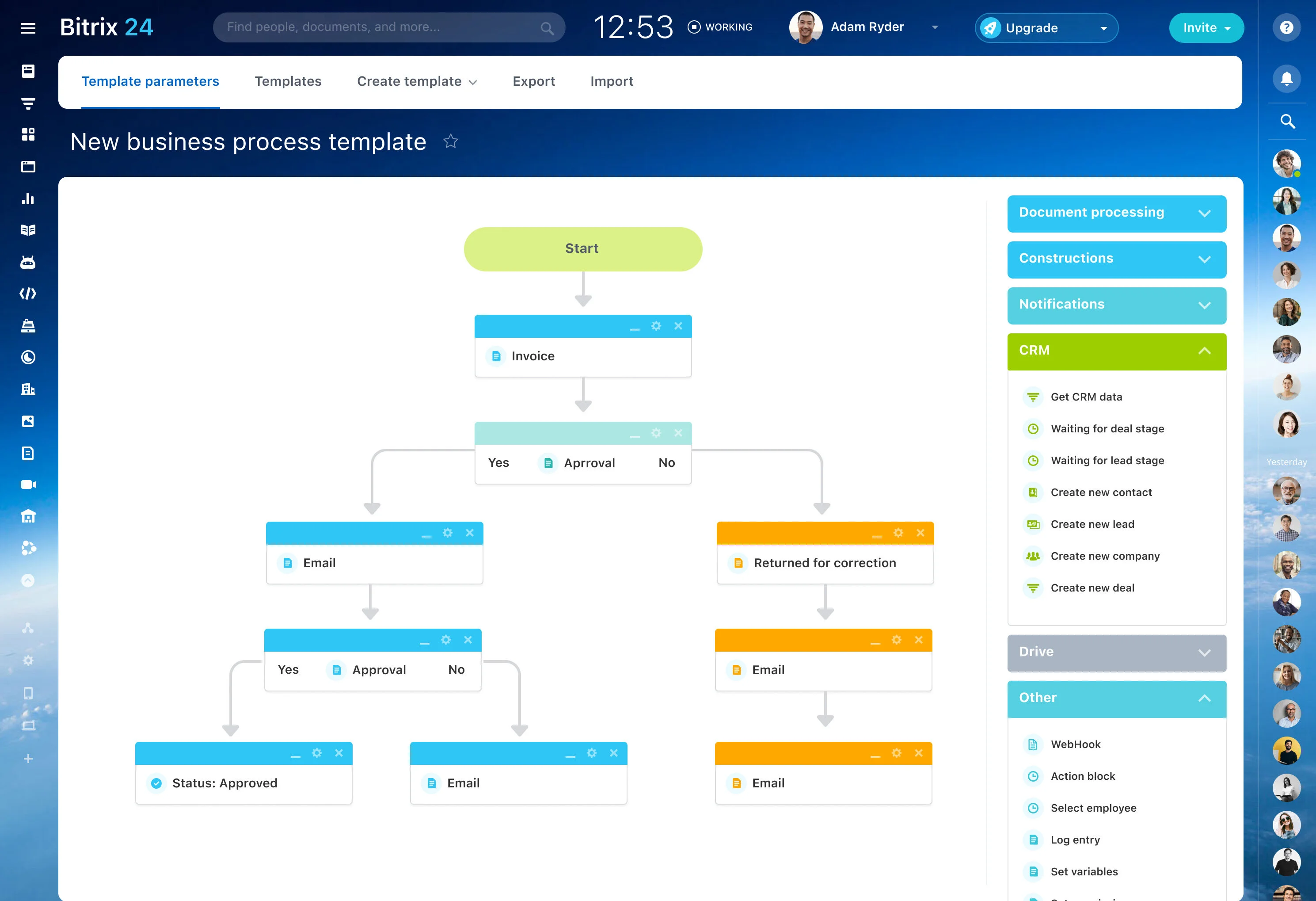
Record intake facts in a structured case summary
Intake needs more than a name and phone number. Capture the basics your team relies on for routing and preparation—matter type, opposing parties, urgency, preferred channel, and the client’s initial narrative—so the consultation starts with context instead of repeated questions.
Keep internal notes for what’s missing and what to confirm before the consult, so the attorney gets a clean summary and staff can move the intake forward consistently.
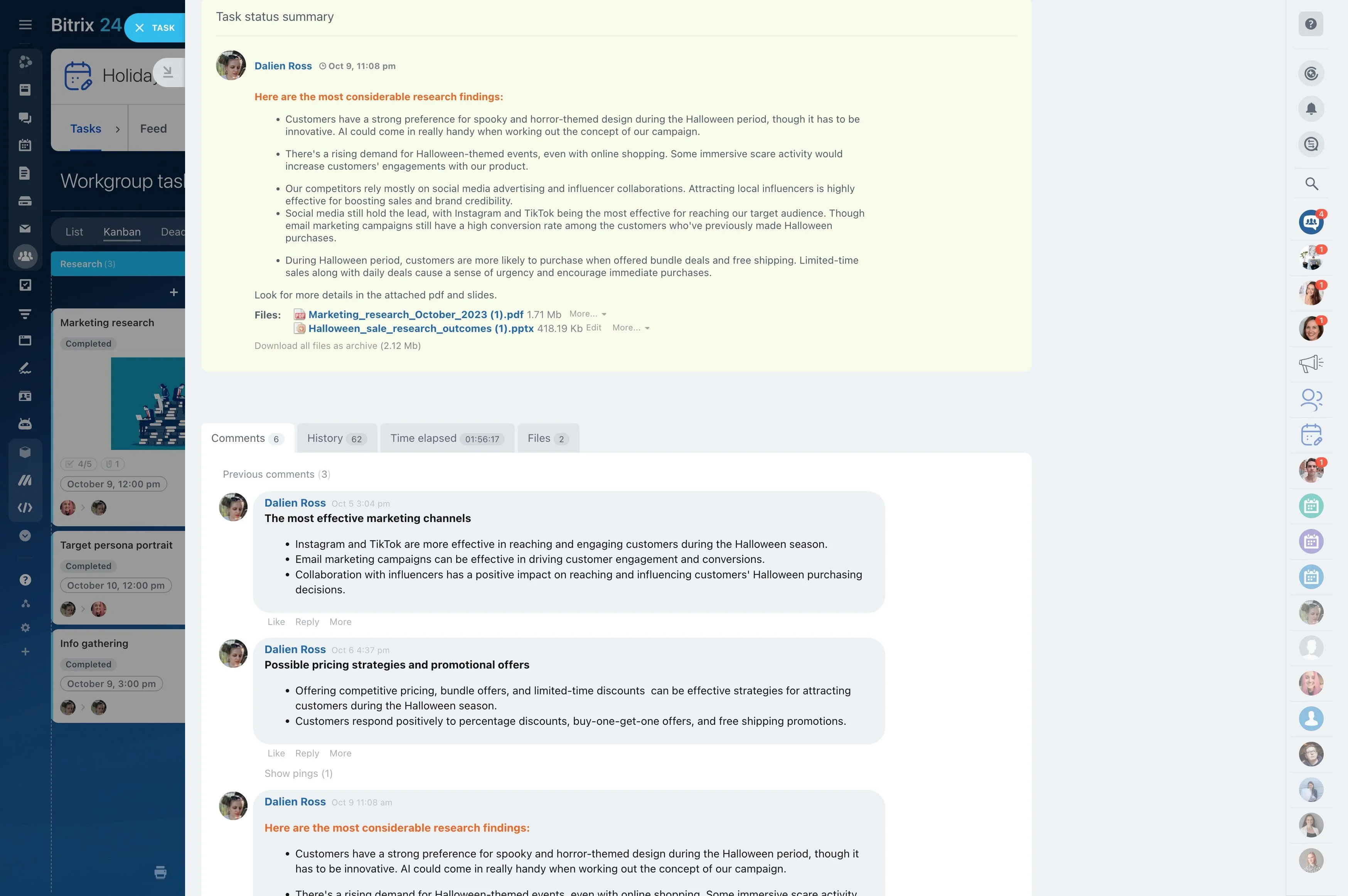
Make handoffs explicit with clear owners and next steps
As an inquiry becomes a consultation and then an opened matter, responsibility shifts between intake staff, paralegals, and attorneys. Assign a responsible person at each stage and attach the next action to the record so handoffs are visible and accountable.
- Confirm consultation time and send prep instructions
- Request IDs, prior filings, contracts, medical records, or correspondence
- Prepare a conflict-check packet and internal summary
- Draft engagement materials and confirm signatures received
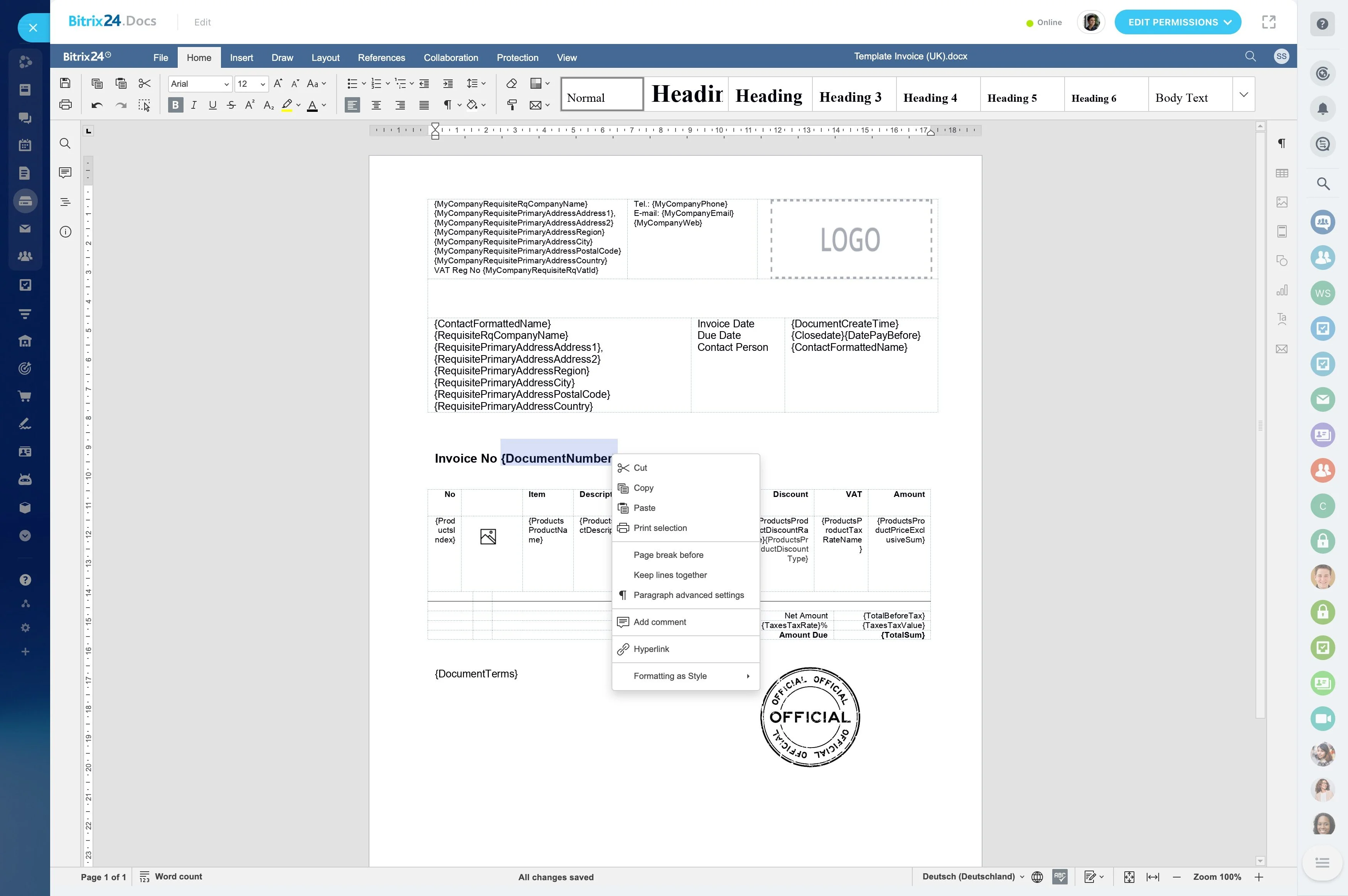
Keep documents and client communications tied to the matter
Every case generates a trail—intake forms, correspondence, evidence, drafts, signed paperwork. Keep those files and messages attached to the same record that holds the stage, owner, and next action, so anyone joining the matter can pick up context quickly.
A single visible history helps continuity when work moves between roles or coverage changes.
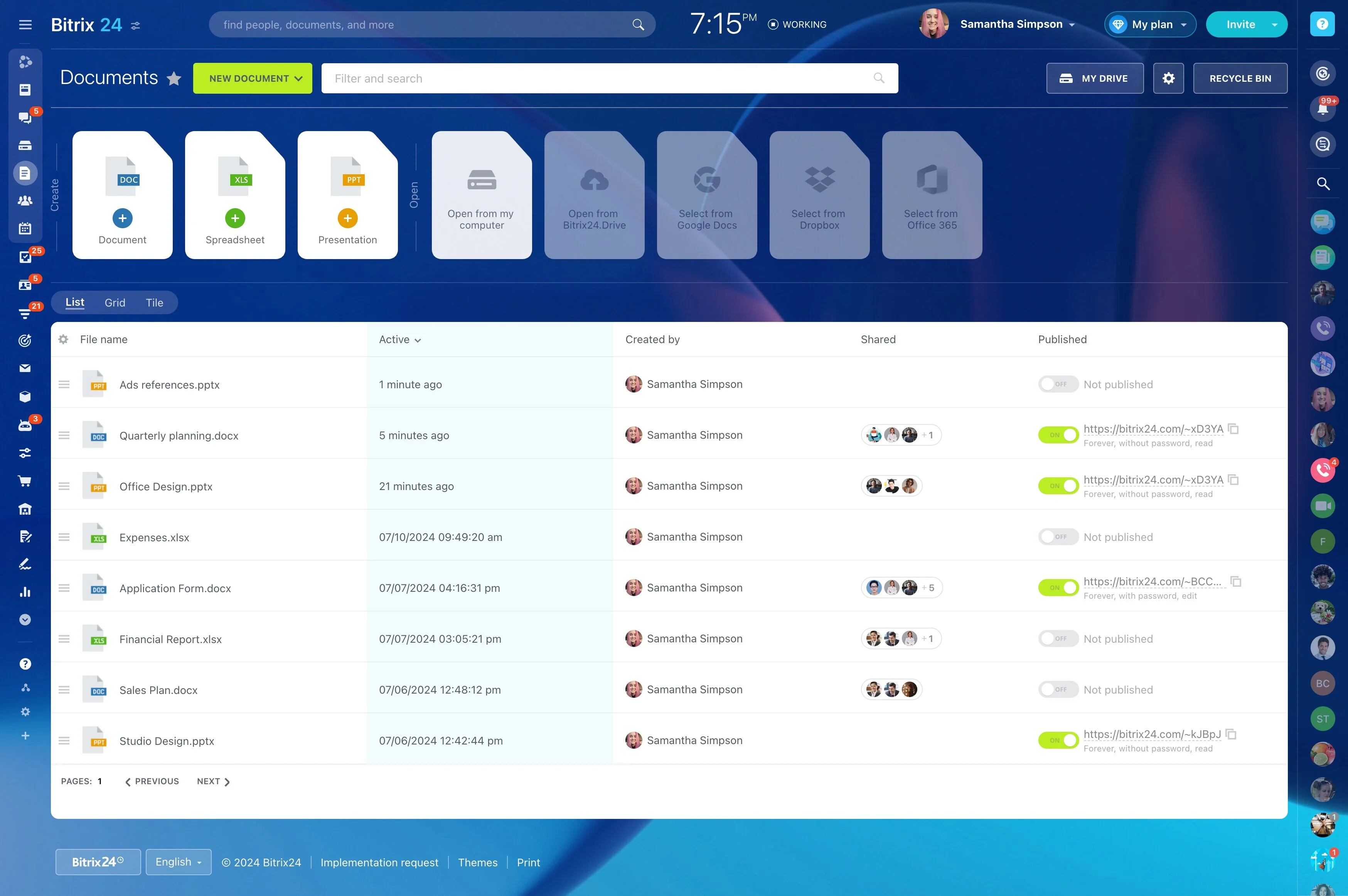
Plan follow-ups from engagement through closure
After retention, progress depends on consistent follow-ups: document requests, signatures, client updates, and closing steps. Tie planned activities and tasks to the record so each follow-up is owned, dated, and easy to verify during reviews.
- Document checkpoints (requested vs. received)
- Client update cadence (by milestone or schedule)
- Retainer or billing reminders aligned to stages
- Closing steps: final documents, letters, post-matter outreach